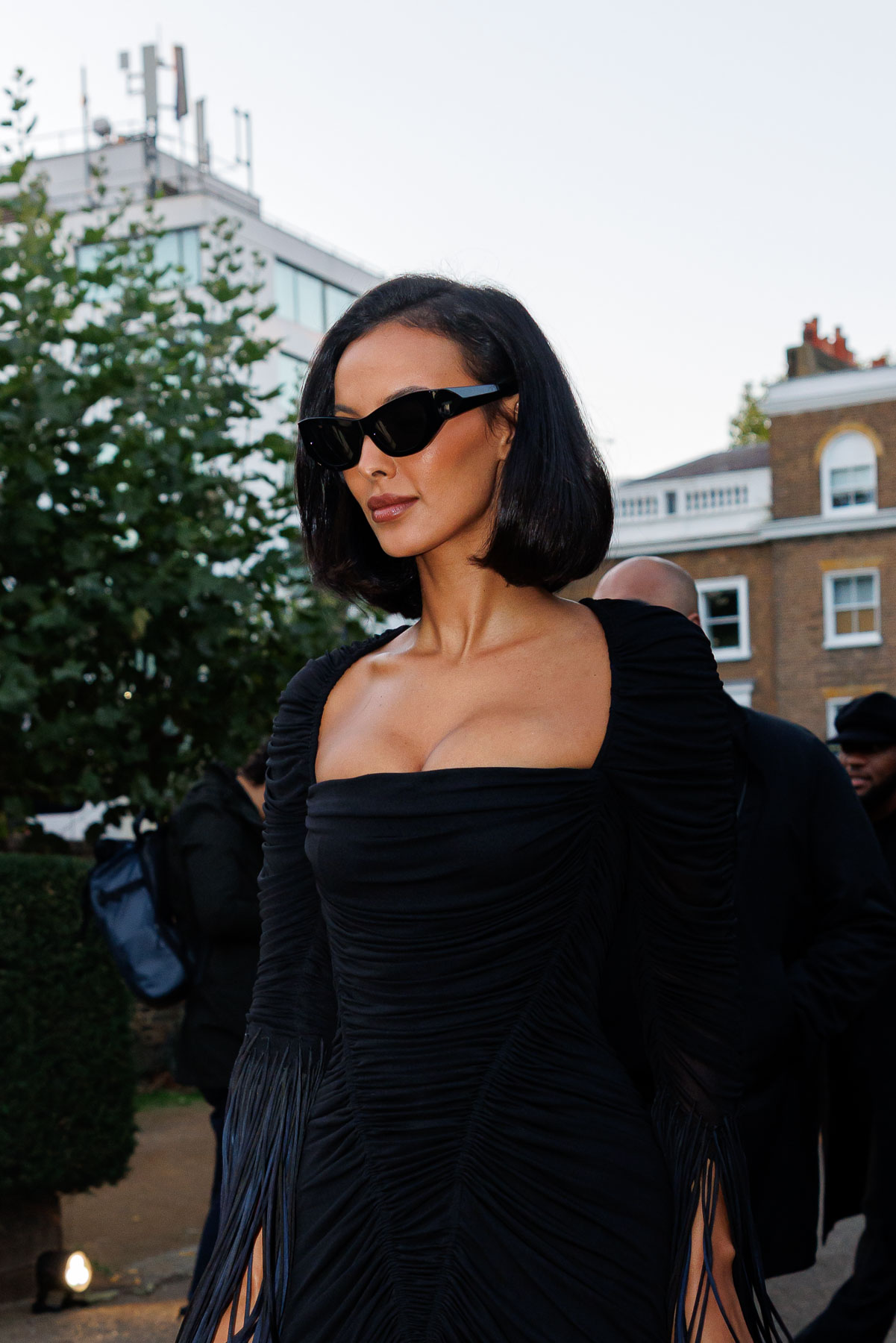
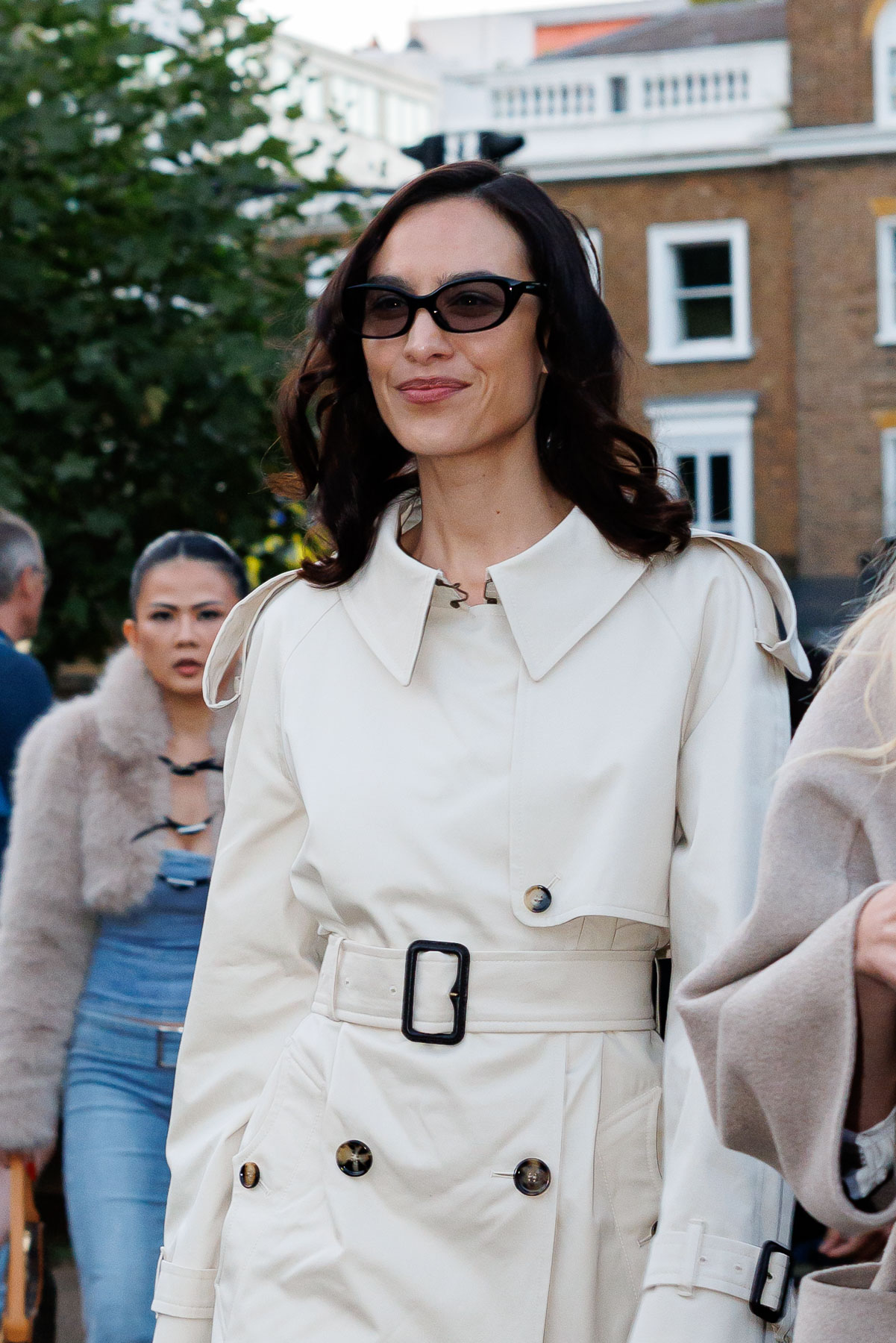
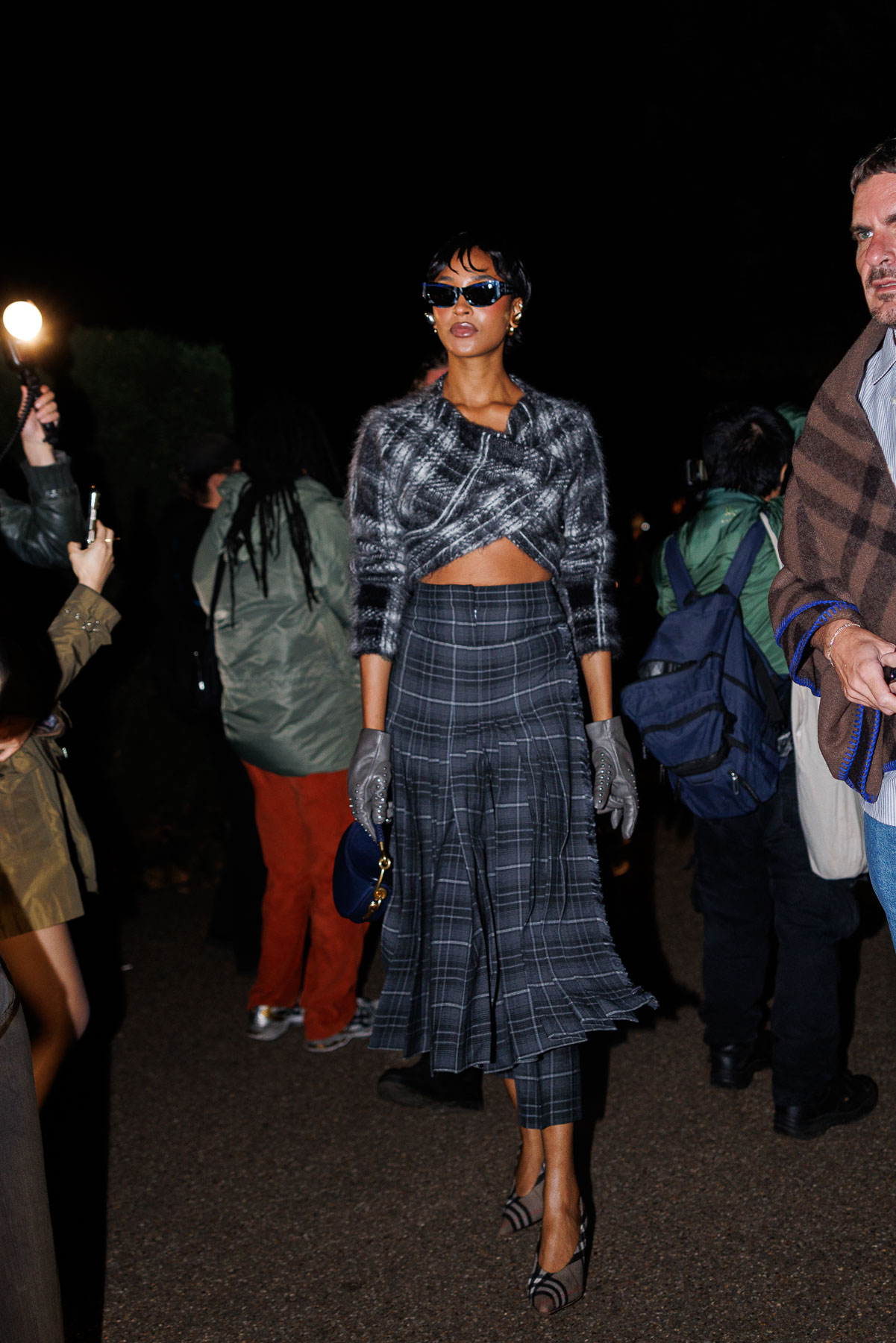
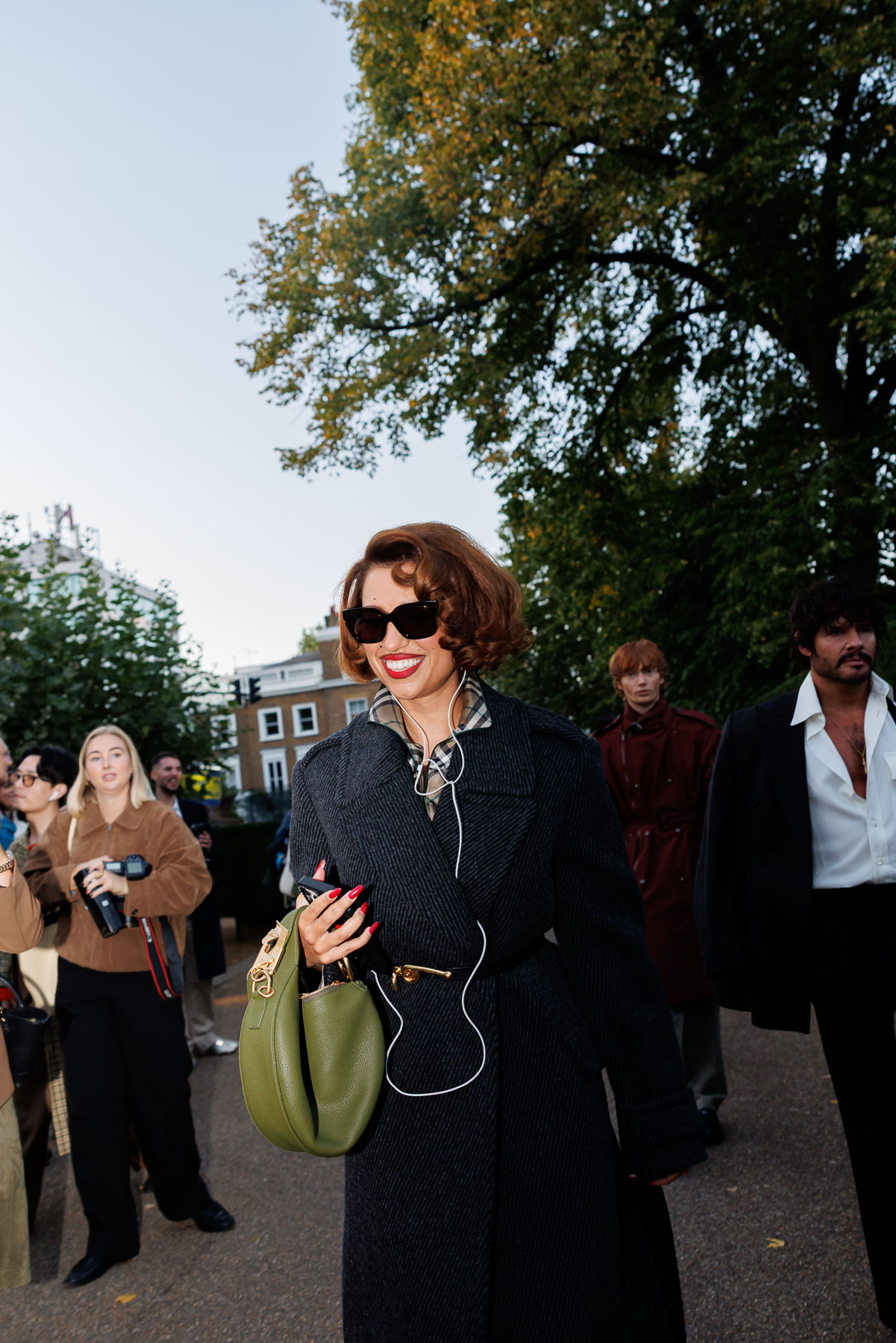
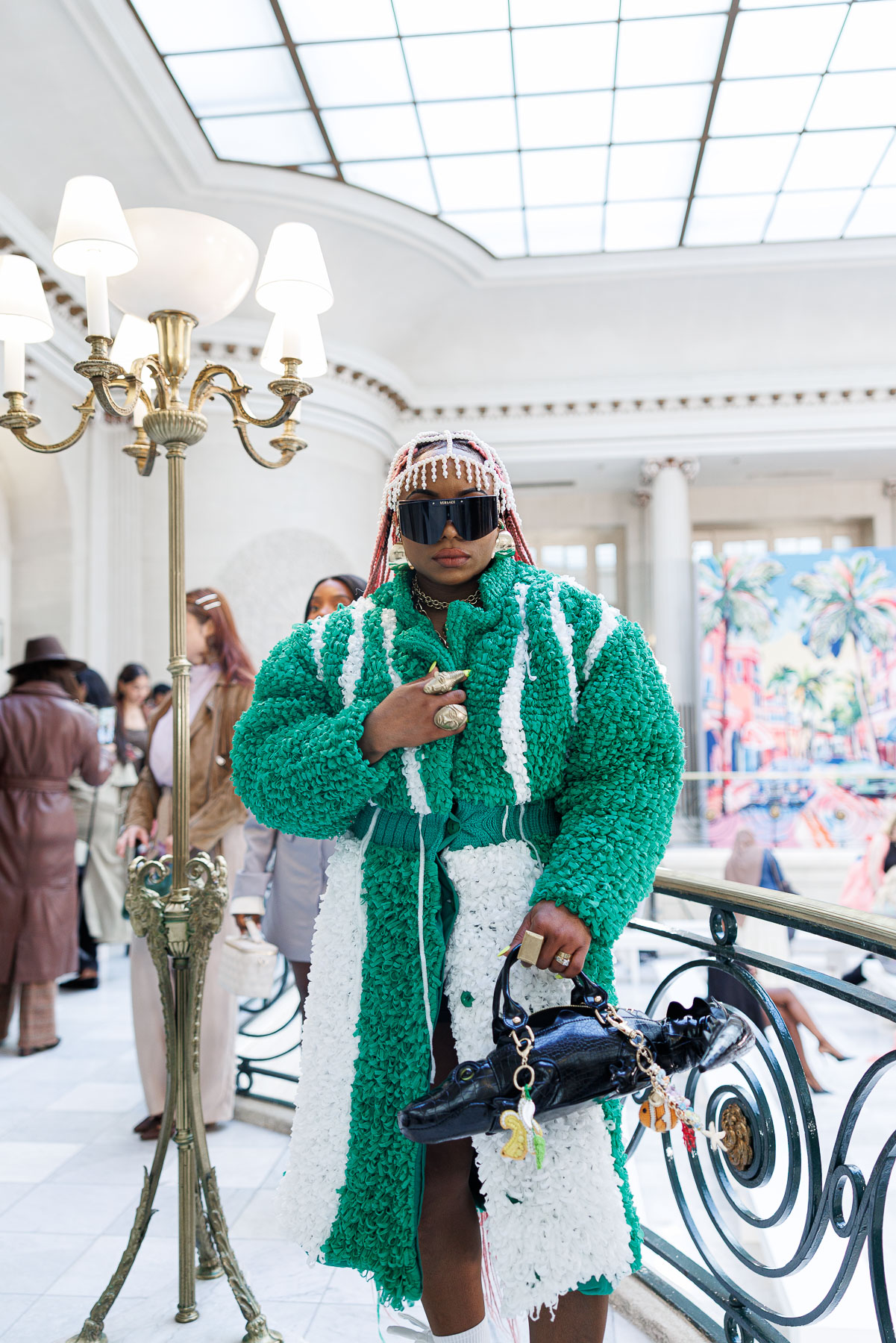
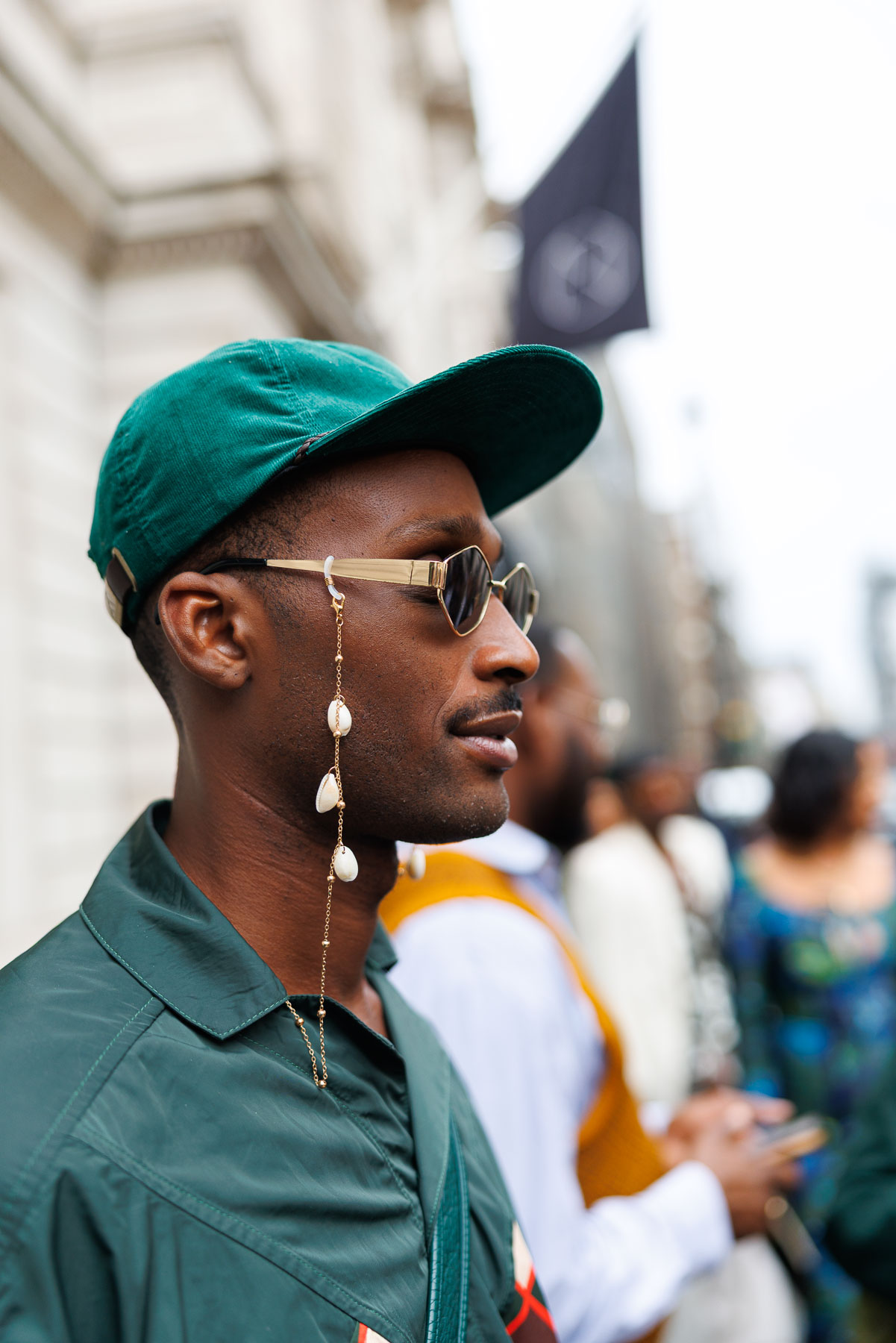
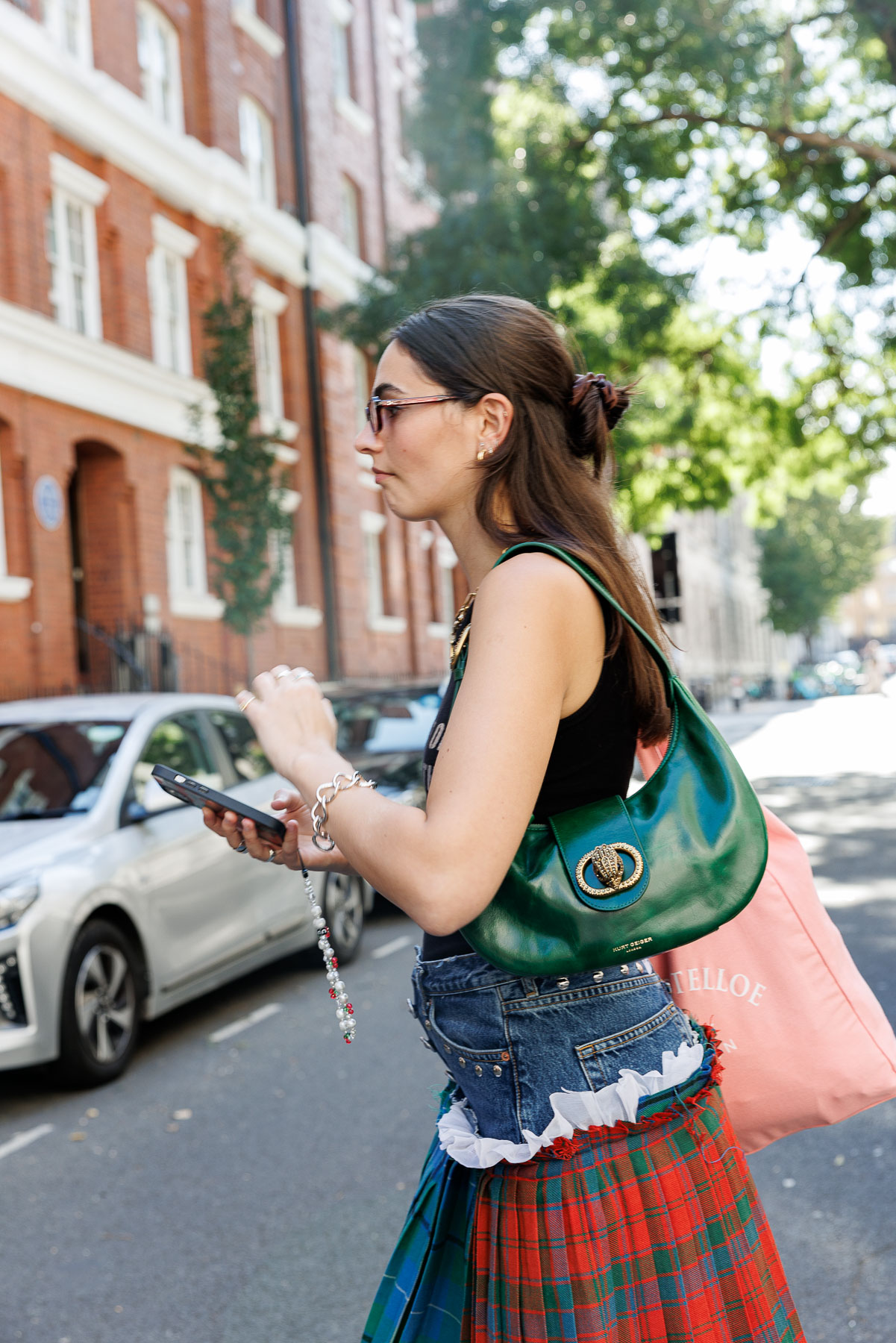
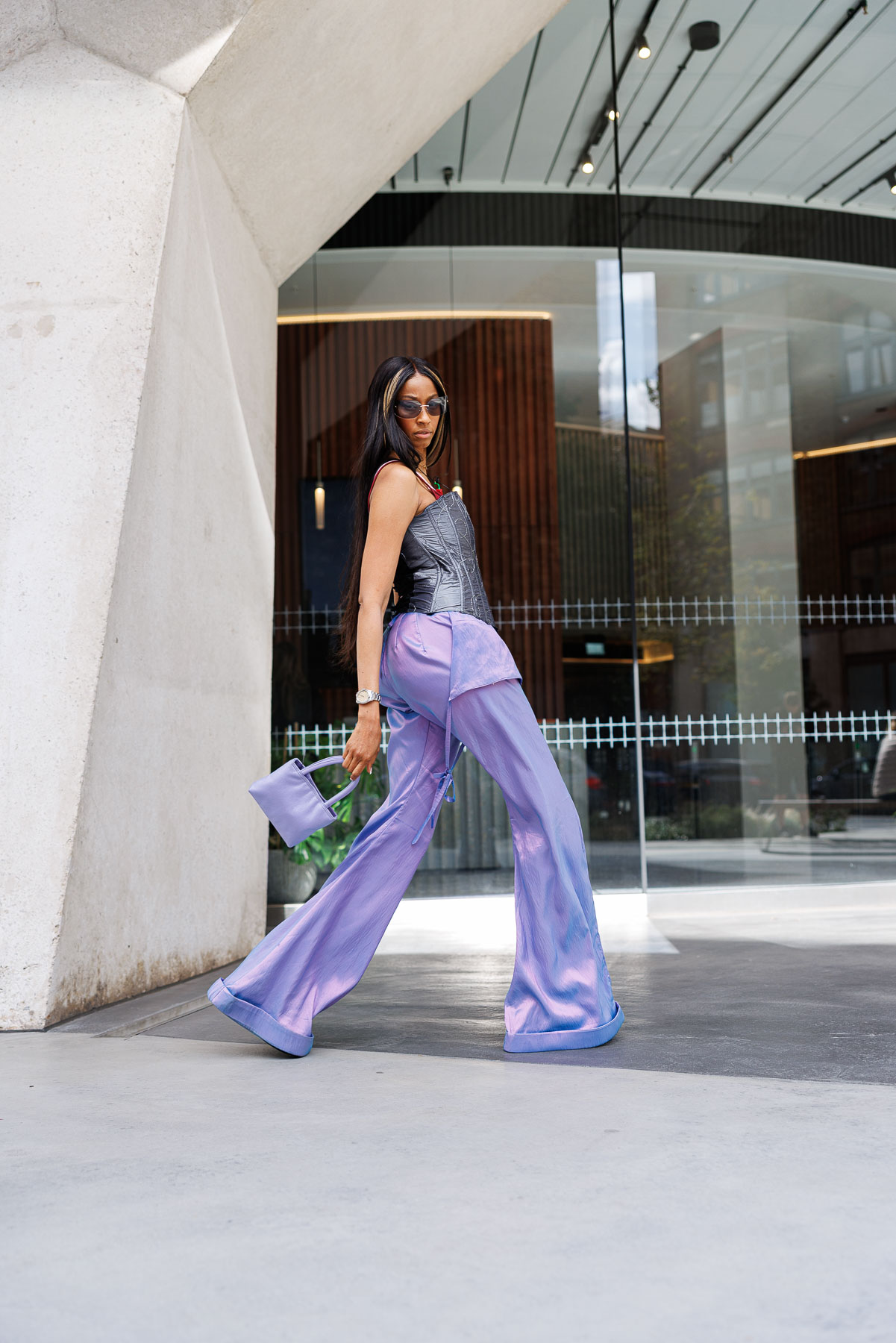
London Fashion Week Spring/Summer 2026
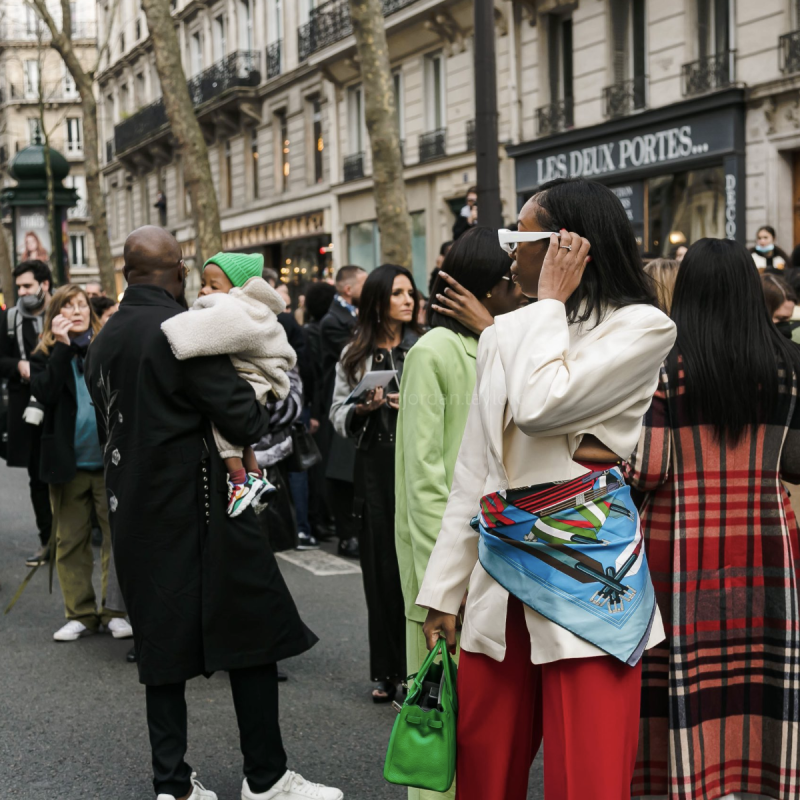
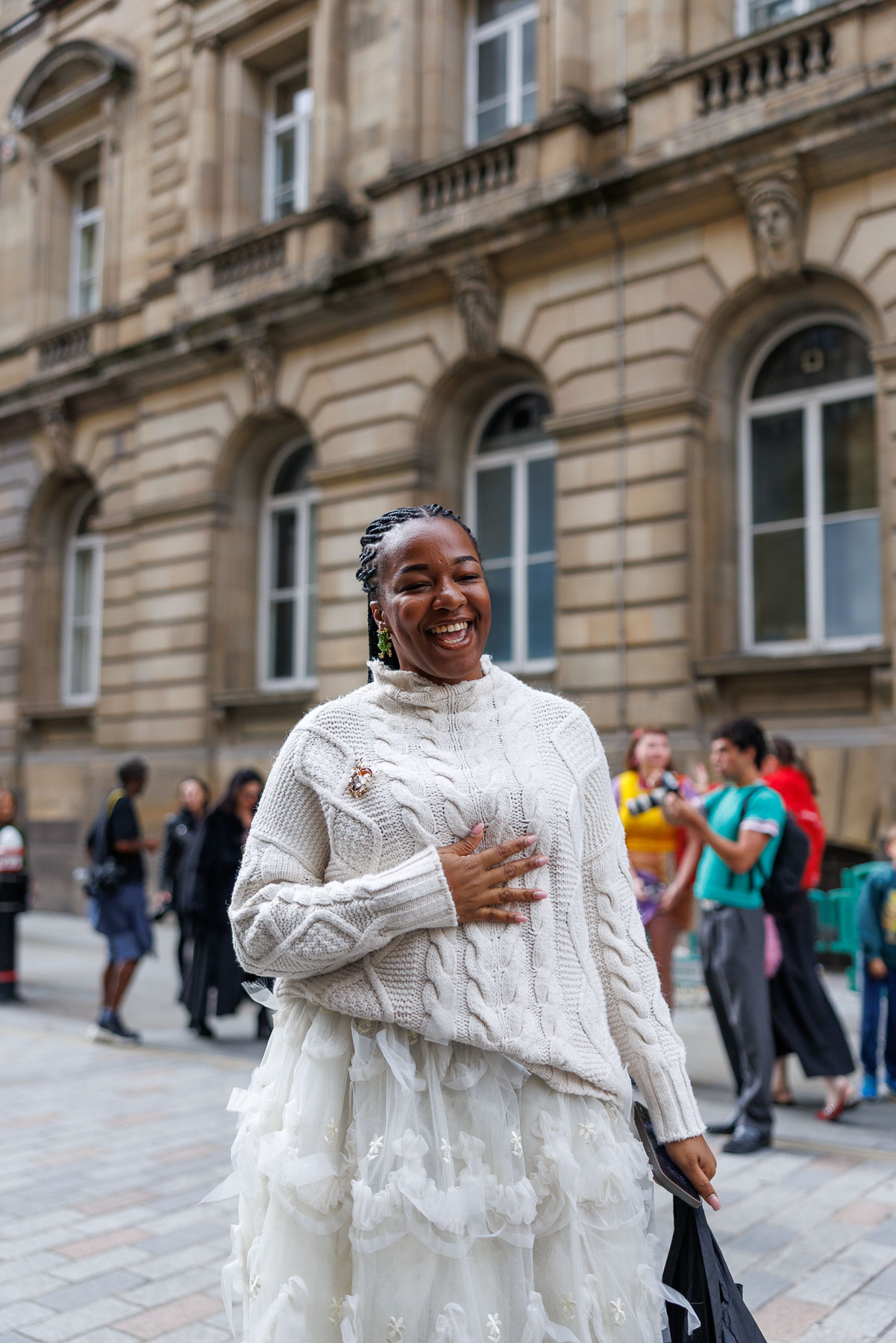
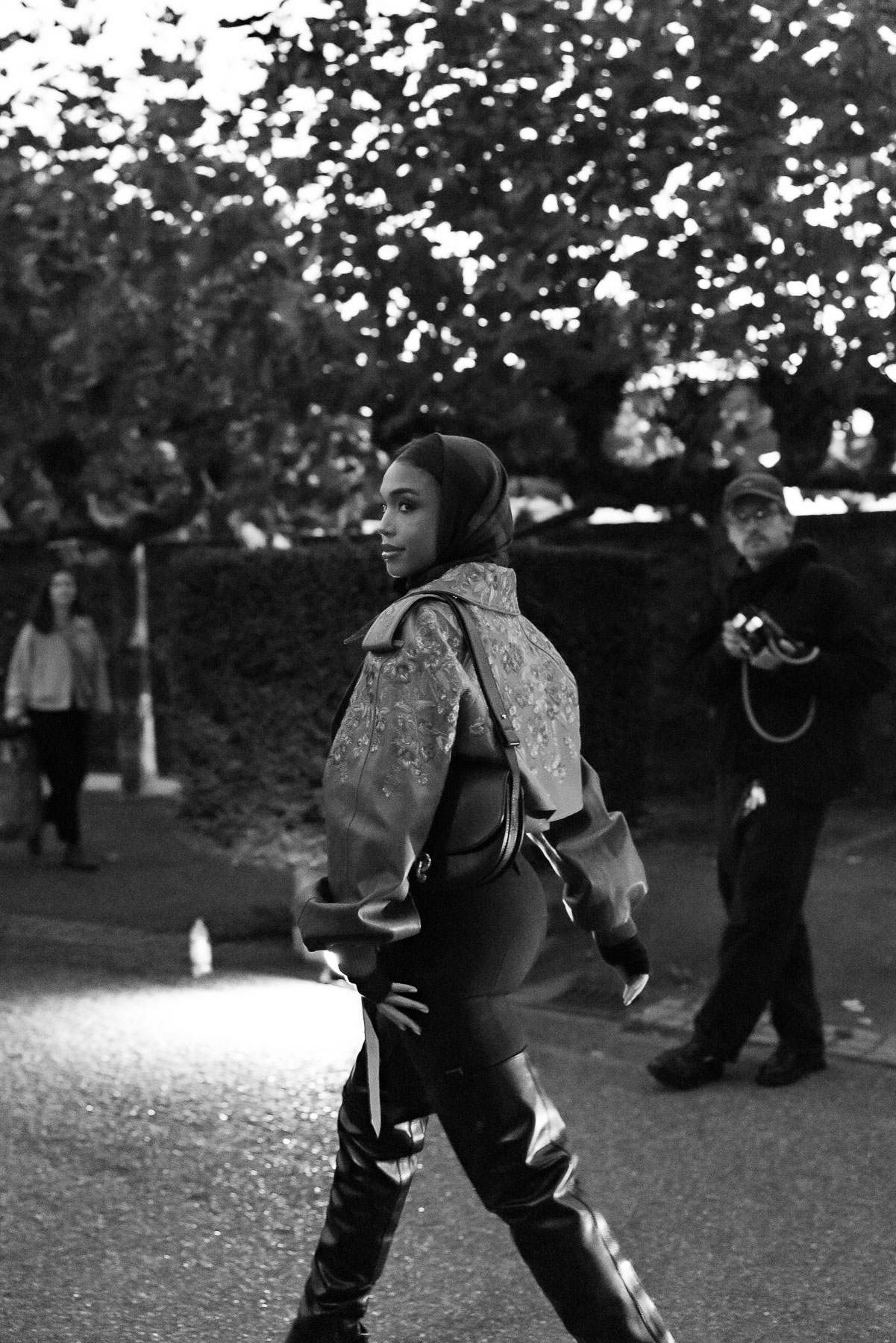
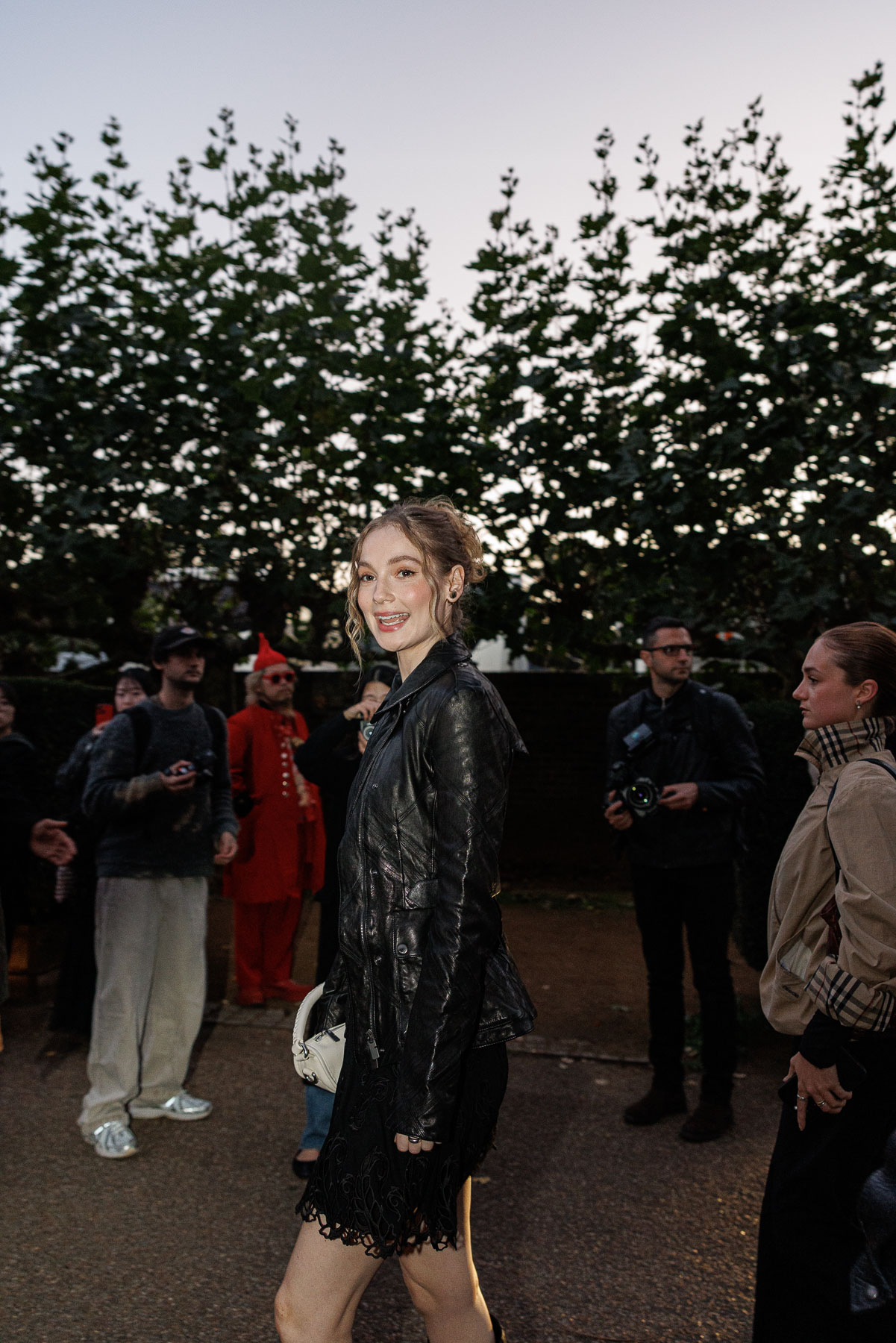
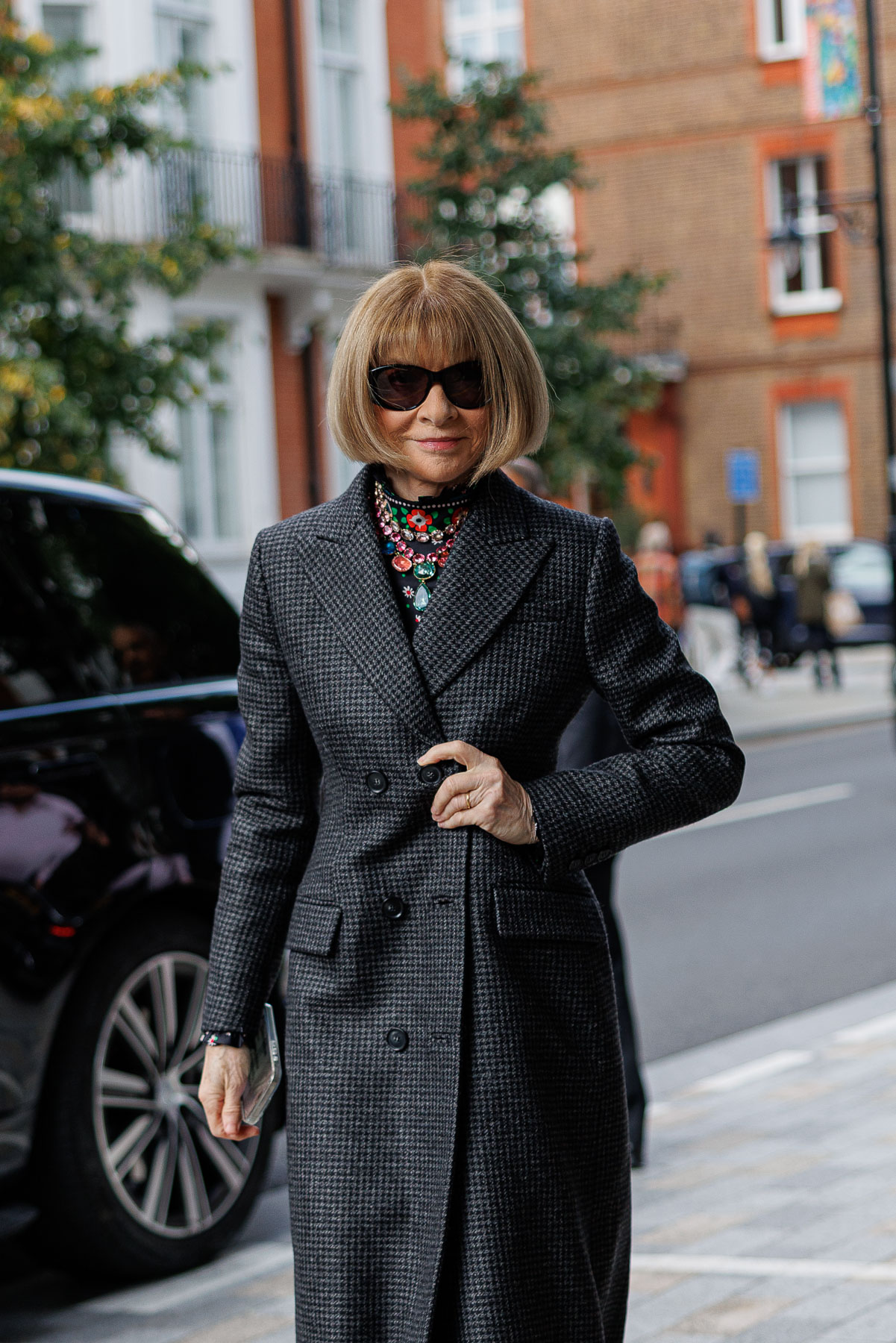
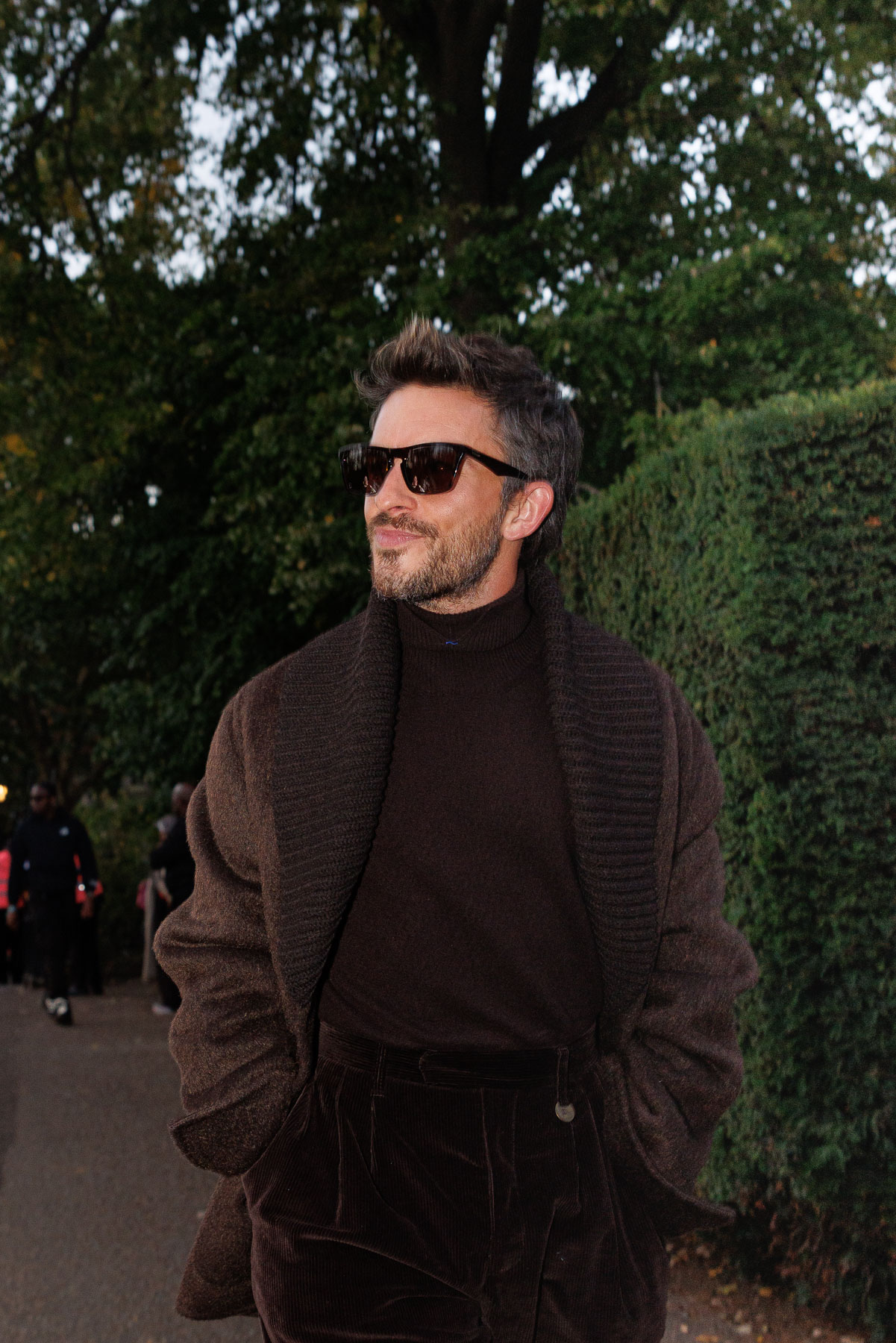
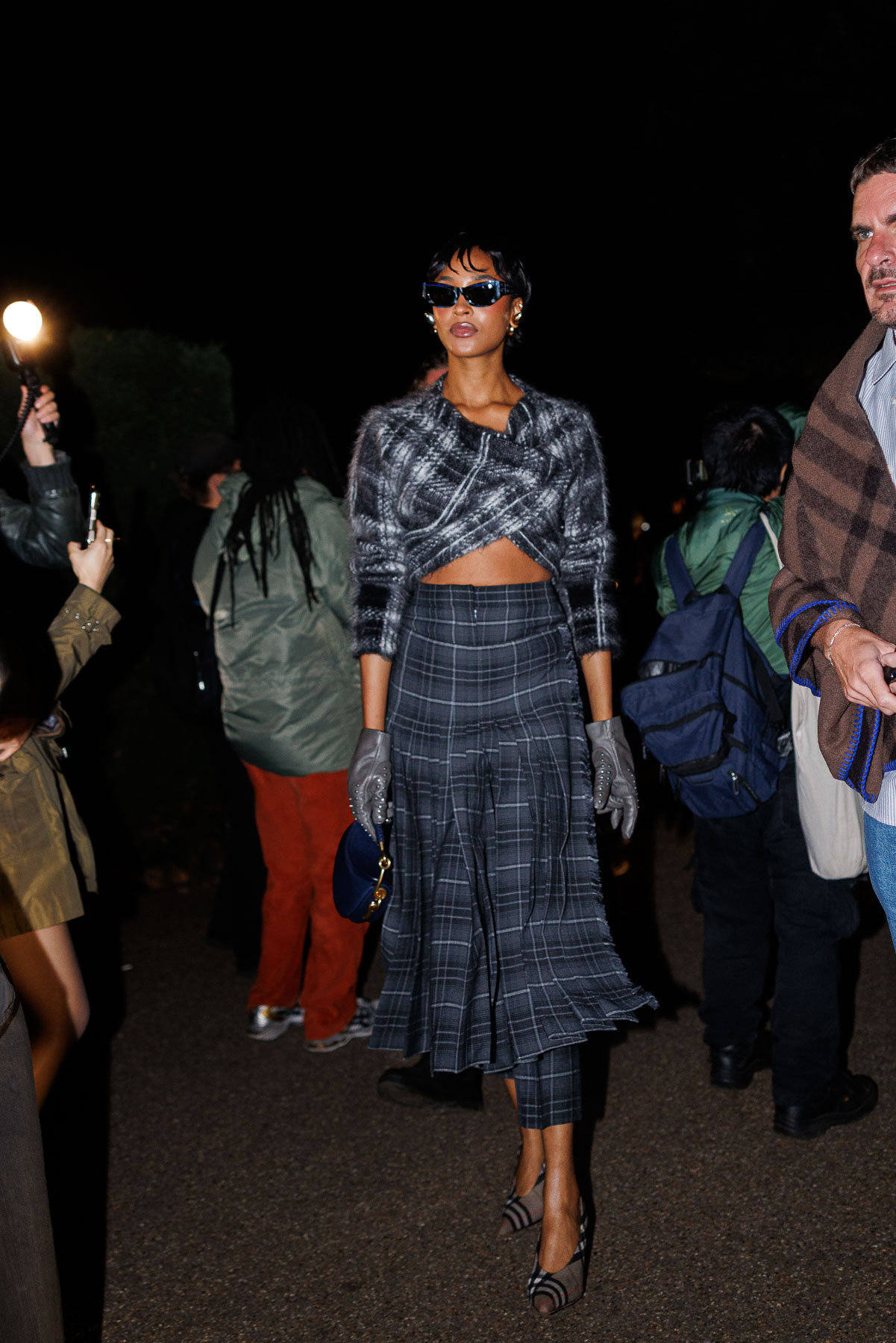
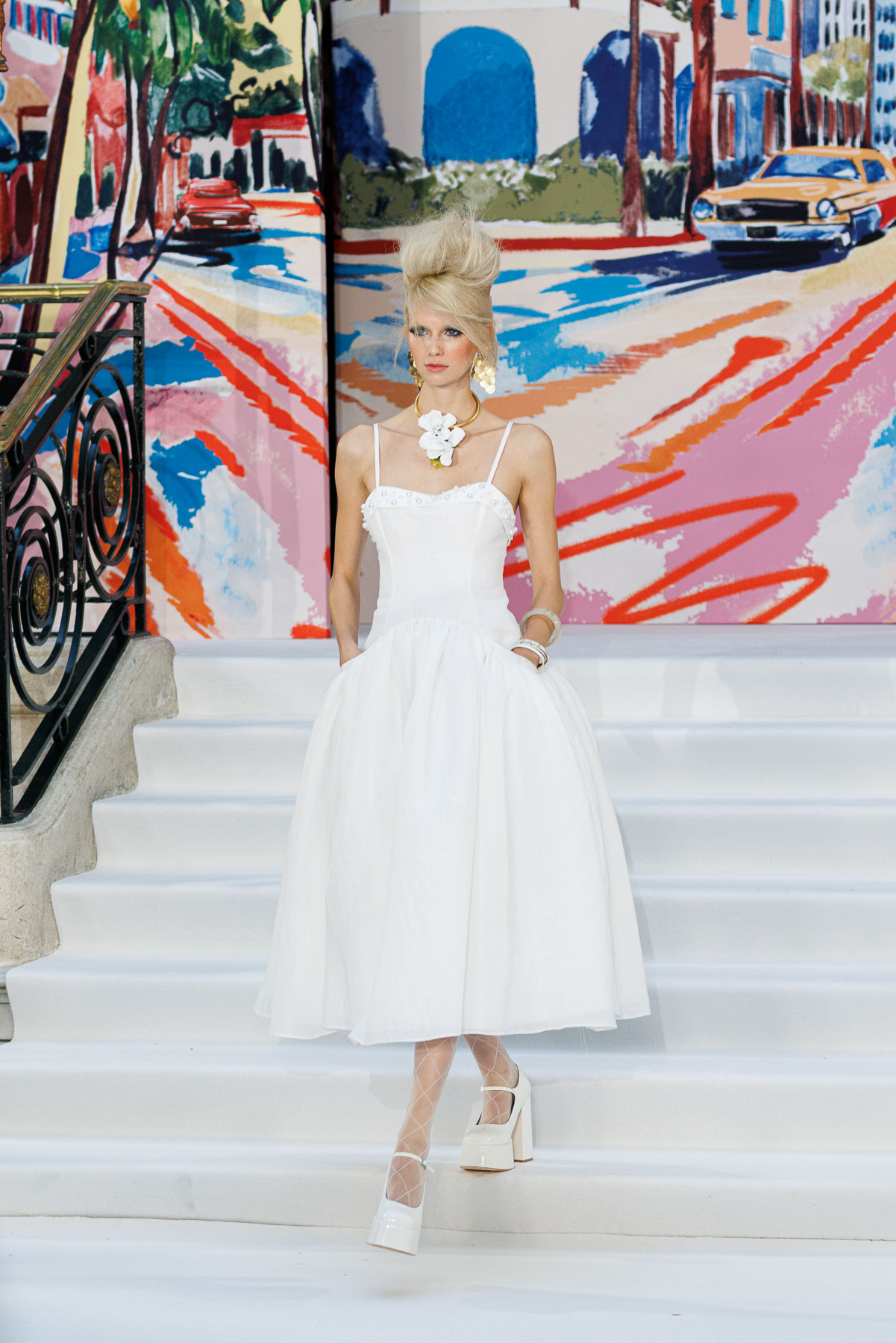
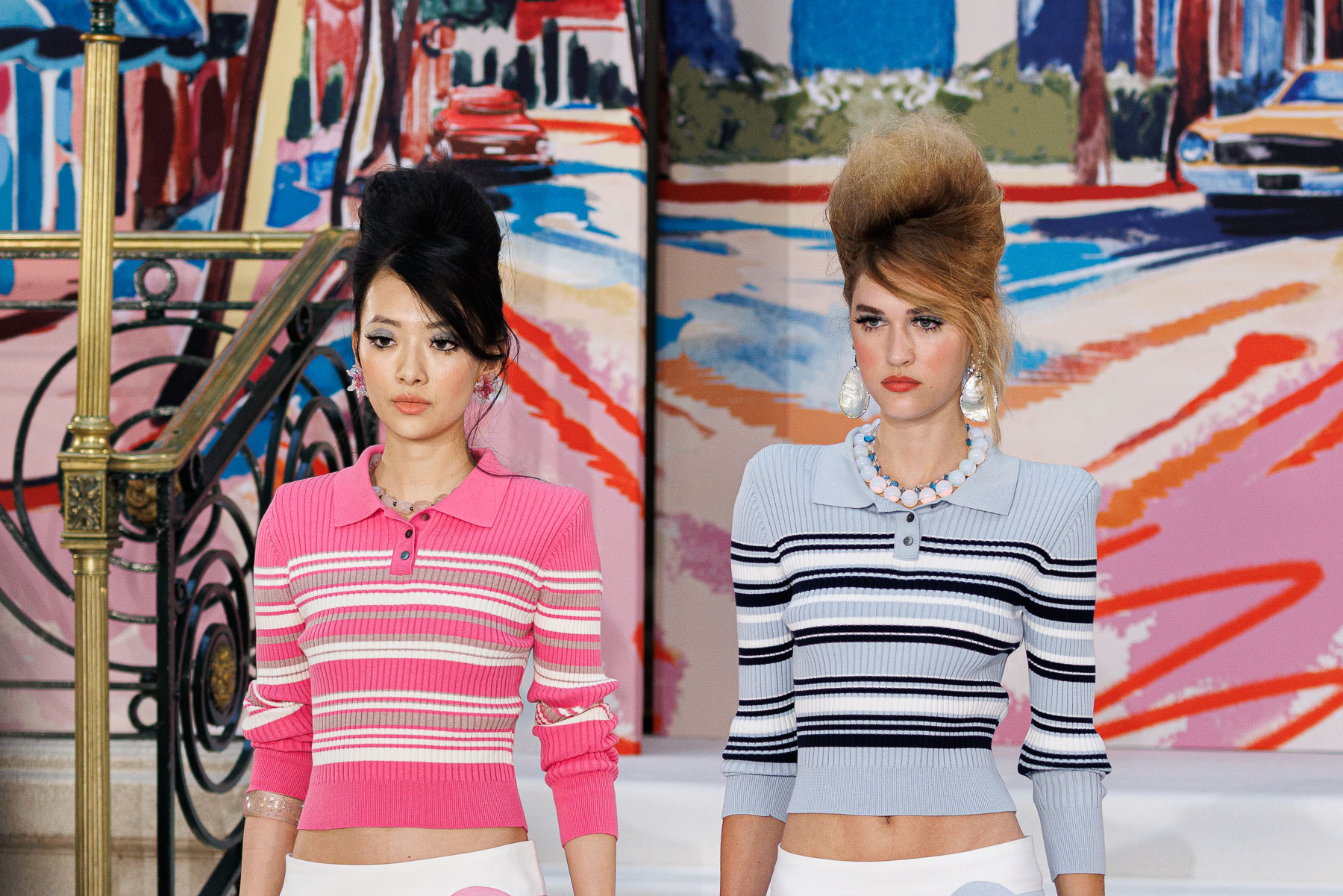
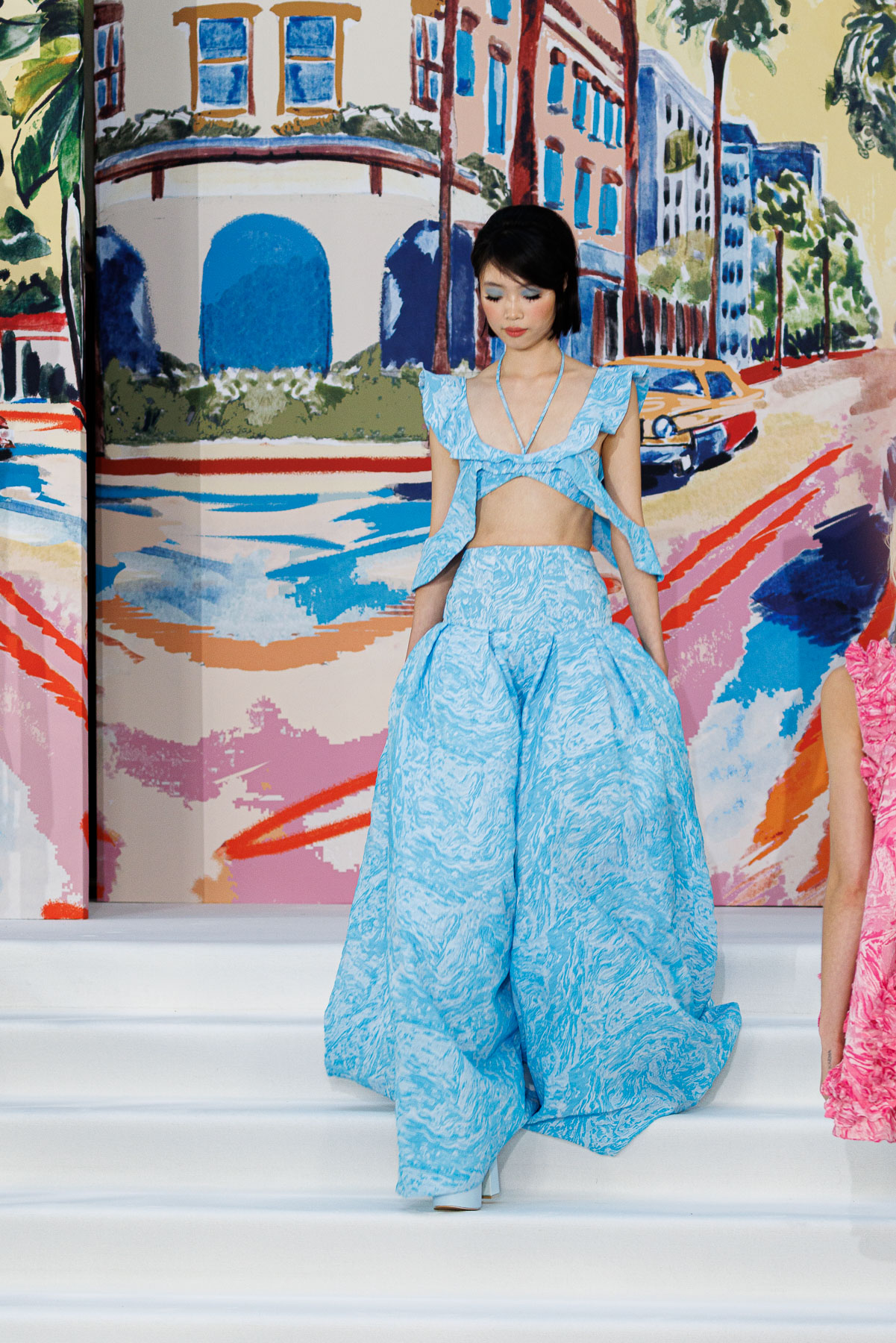
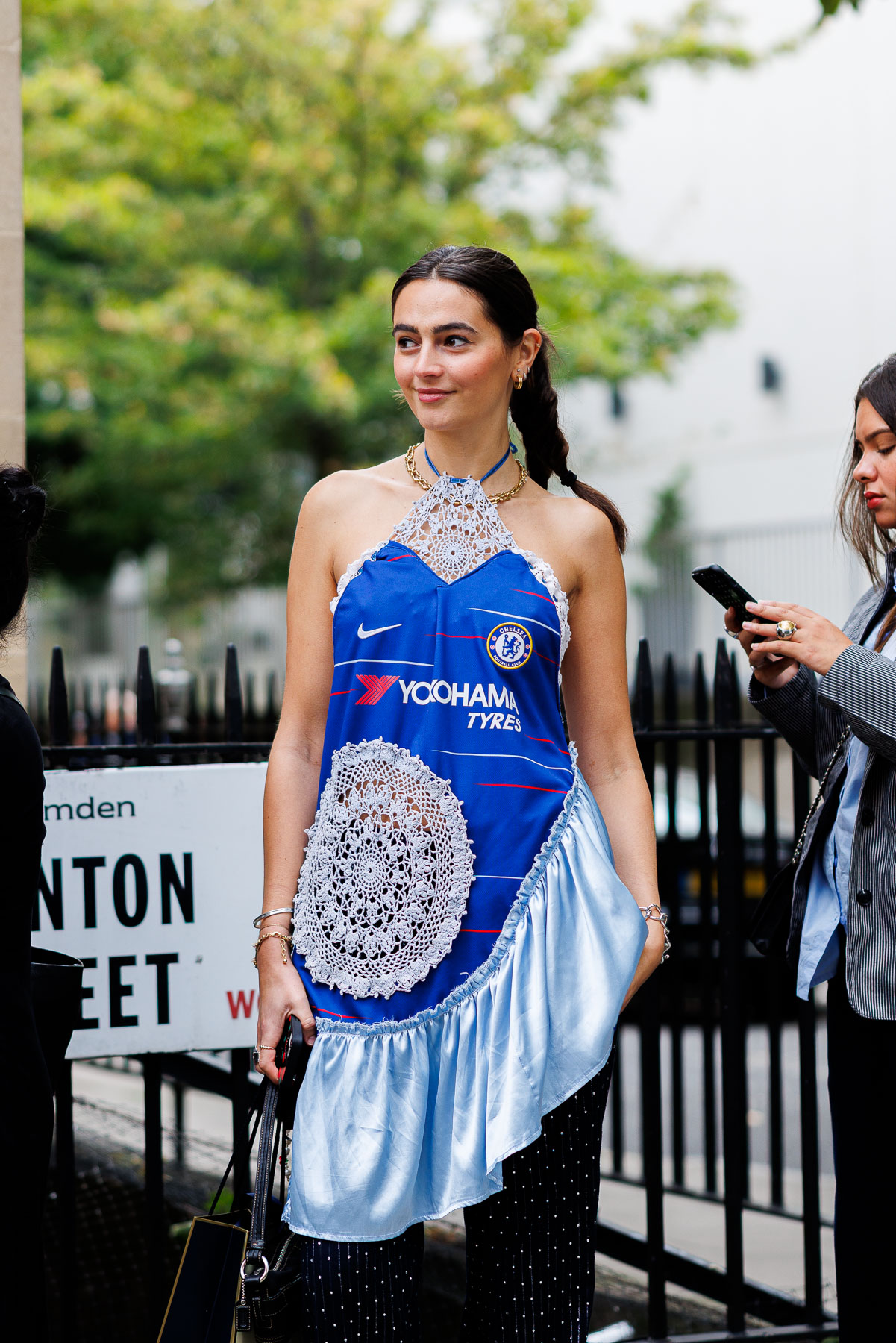
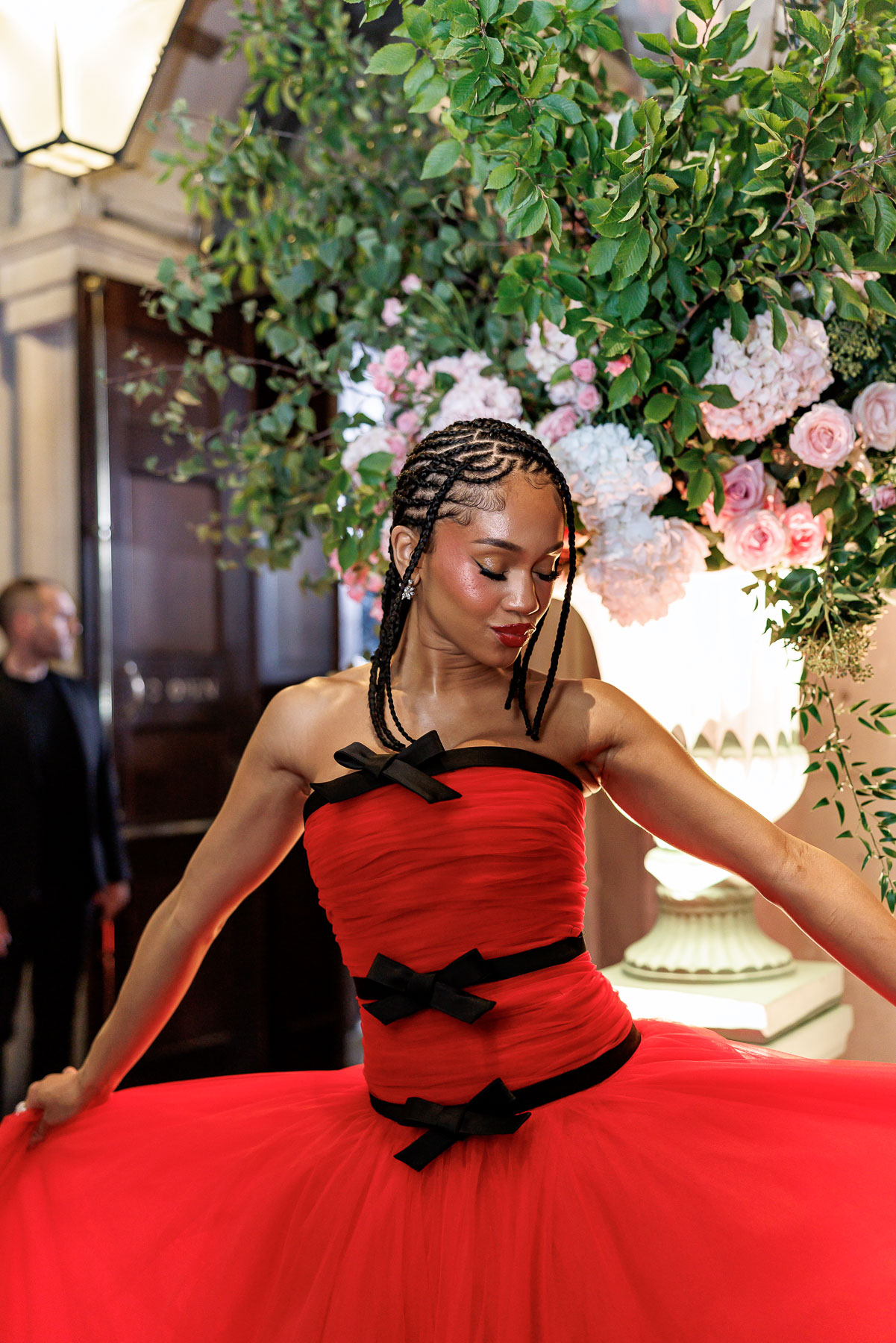
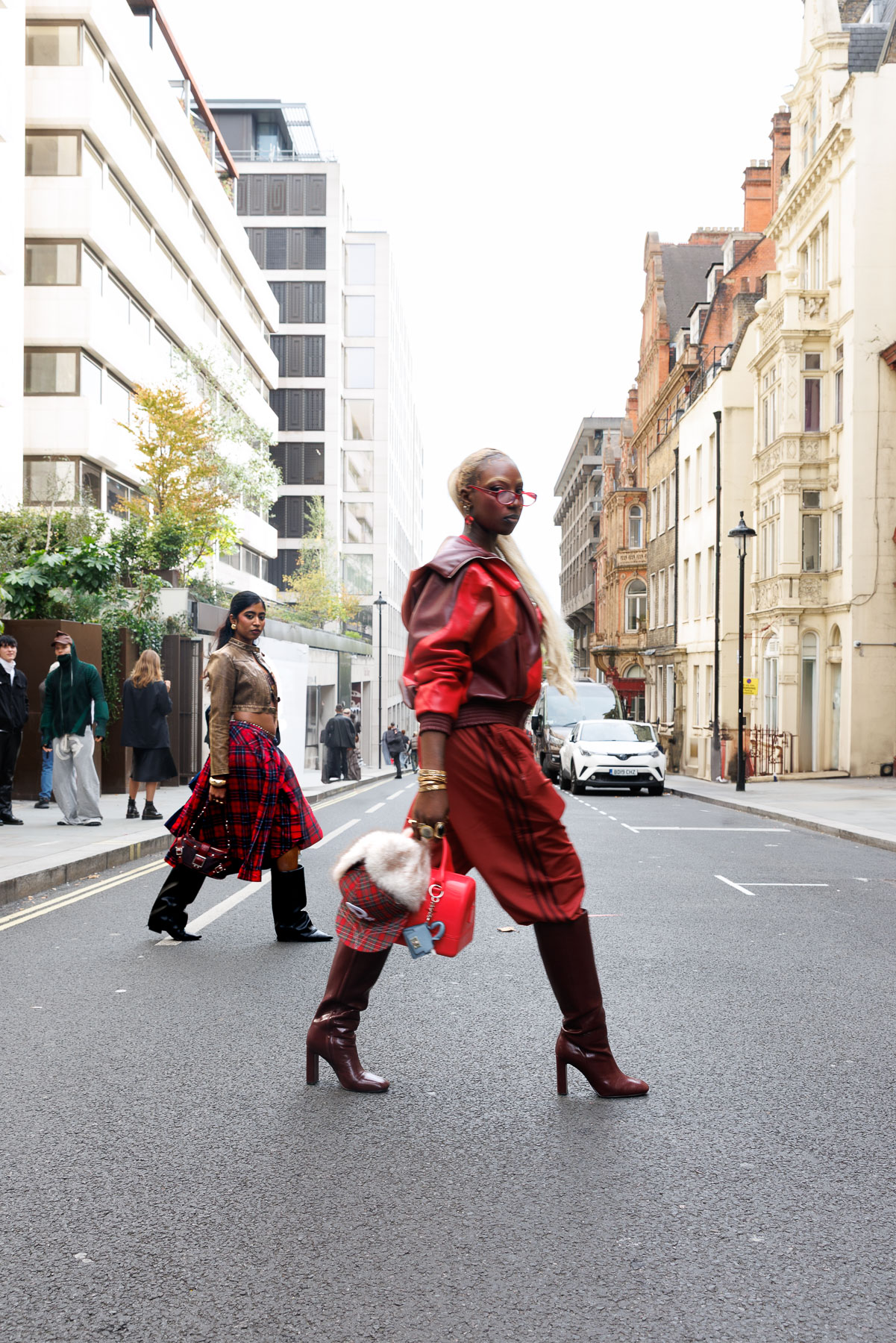
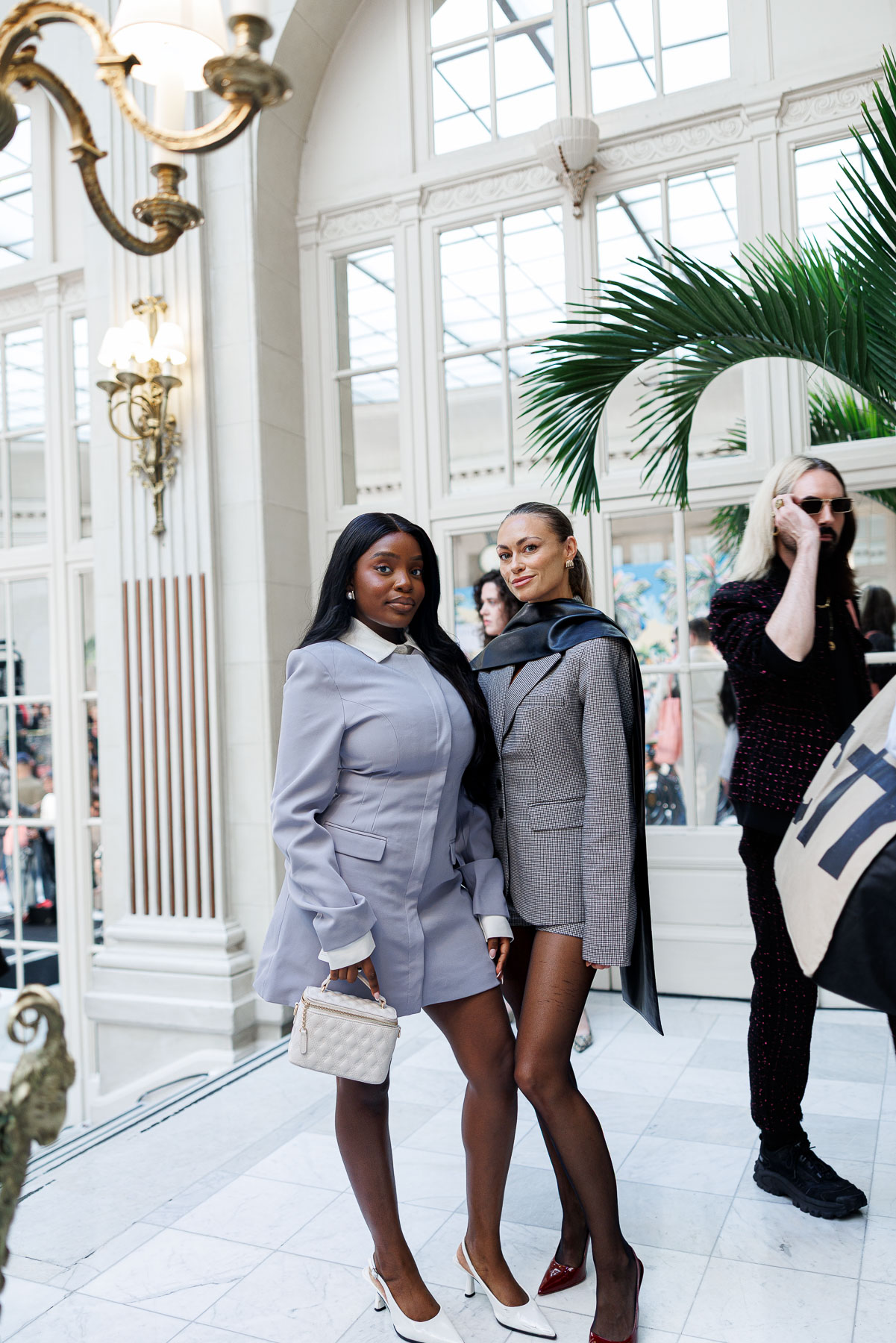
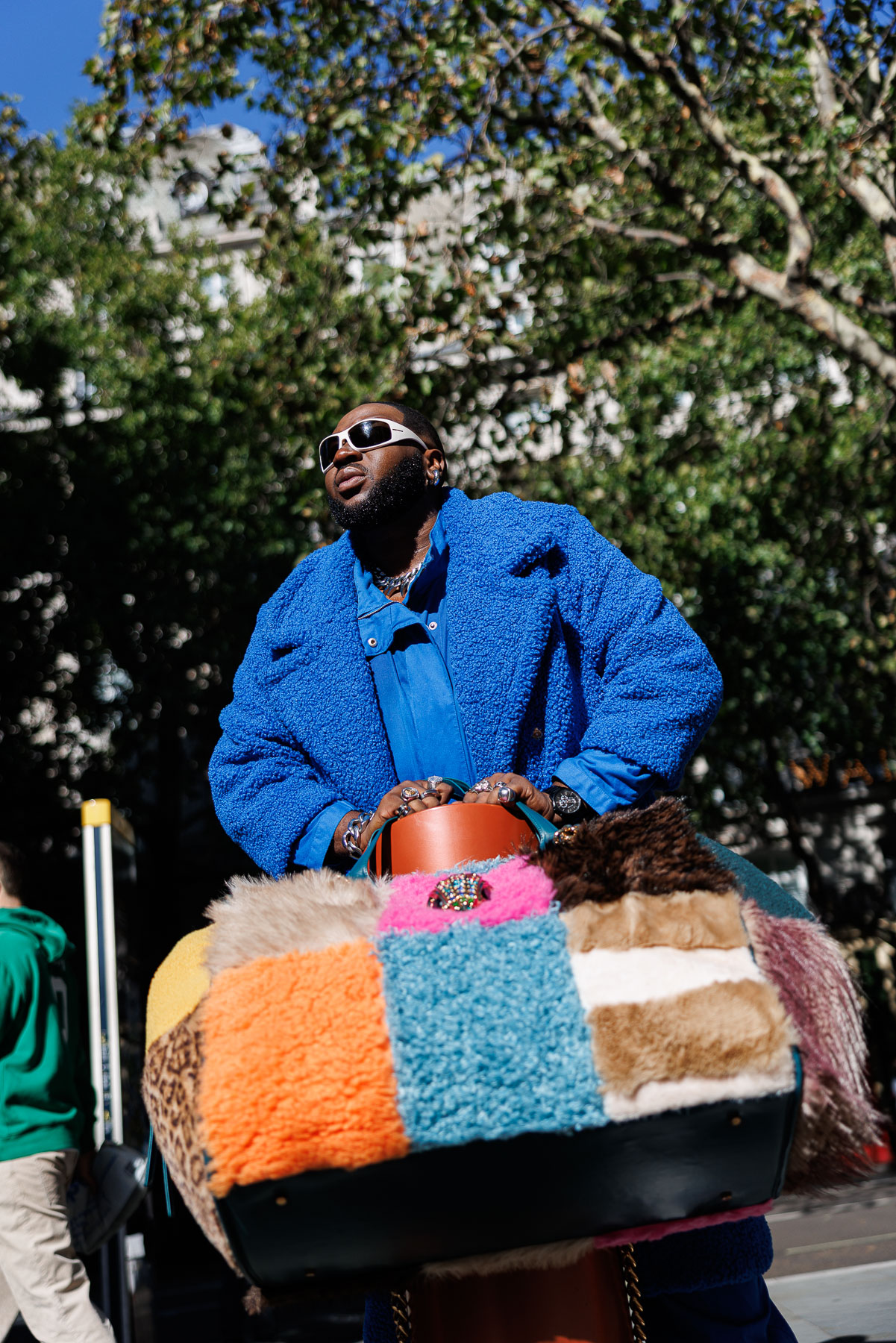
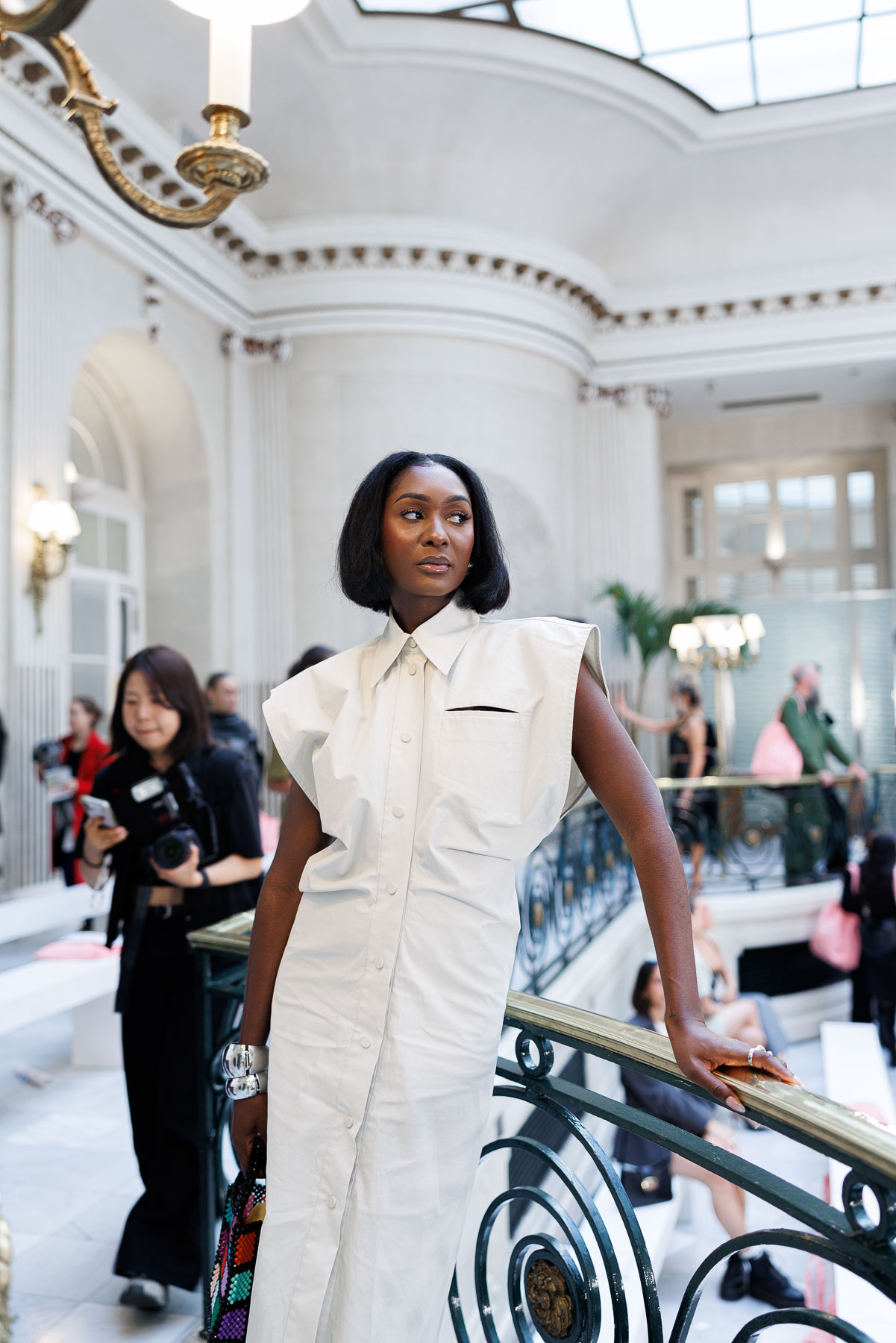
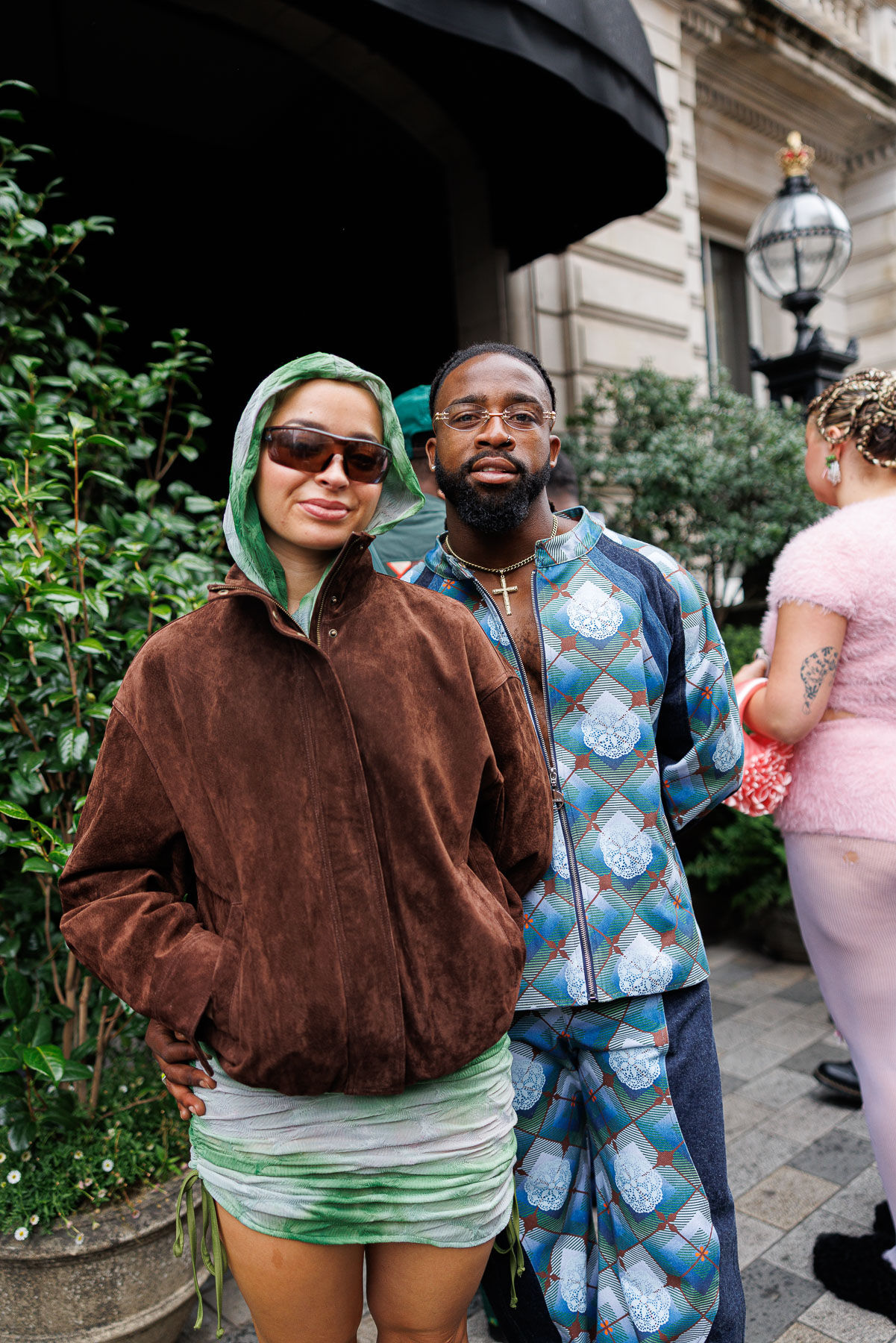
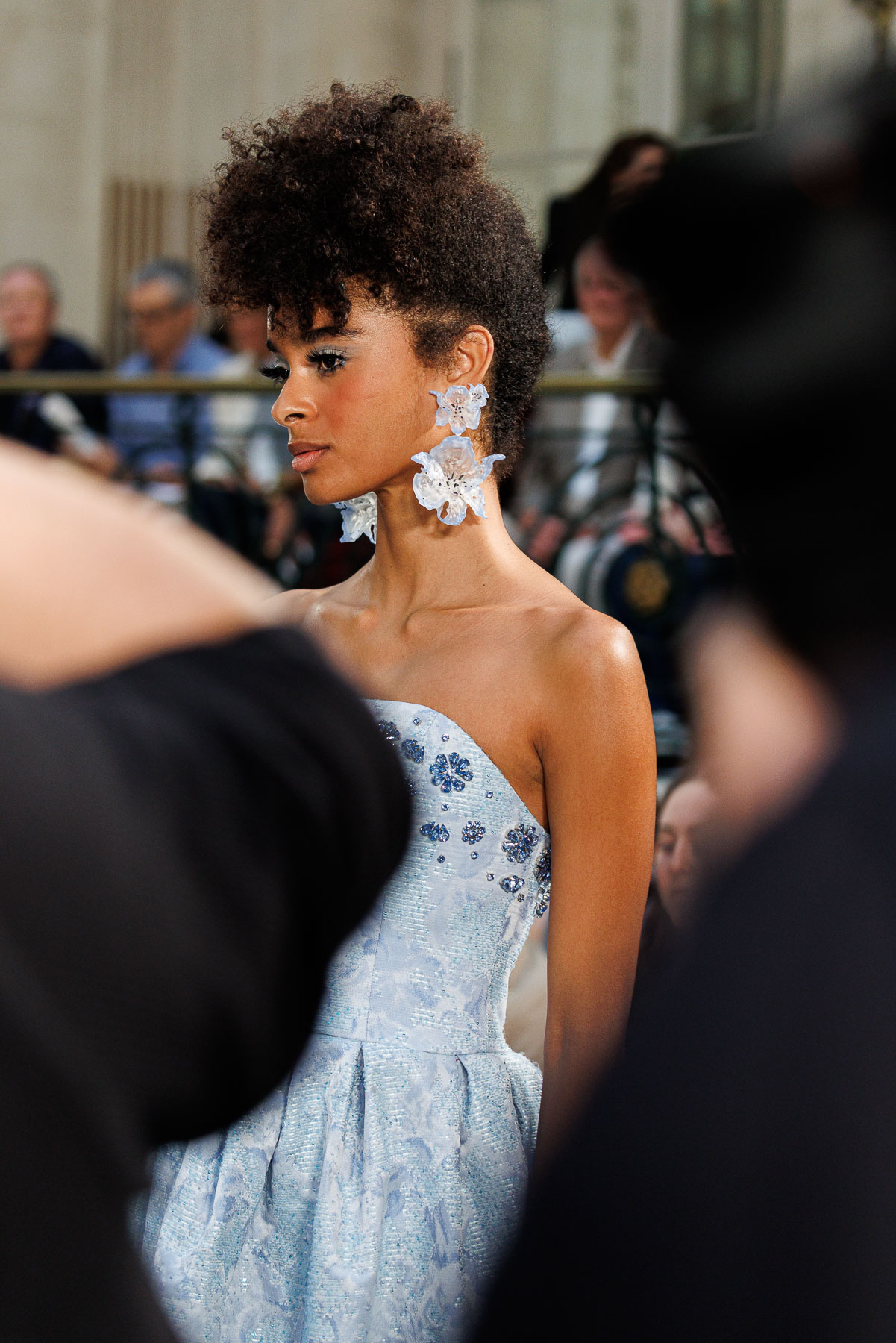
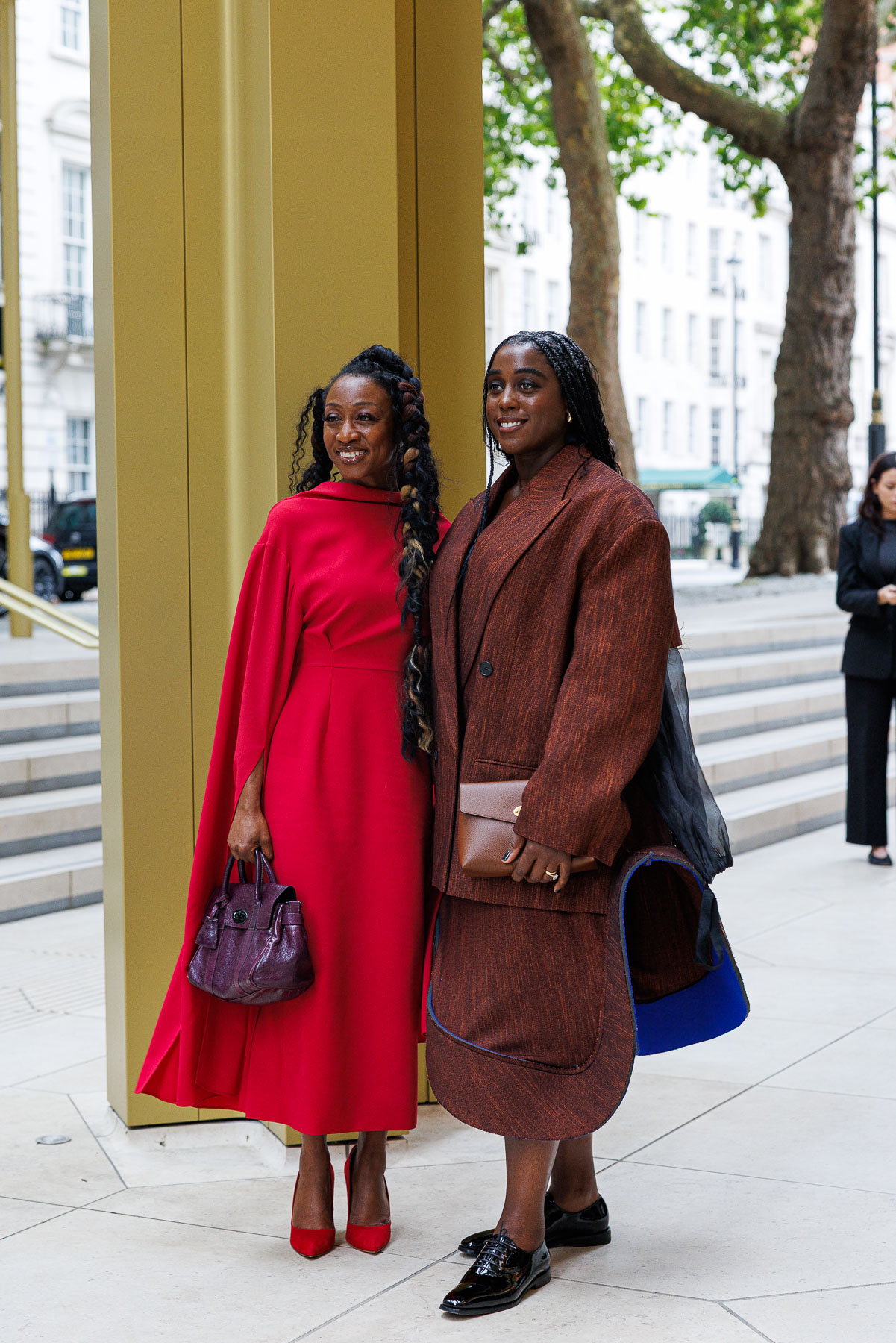
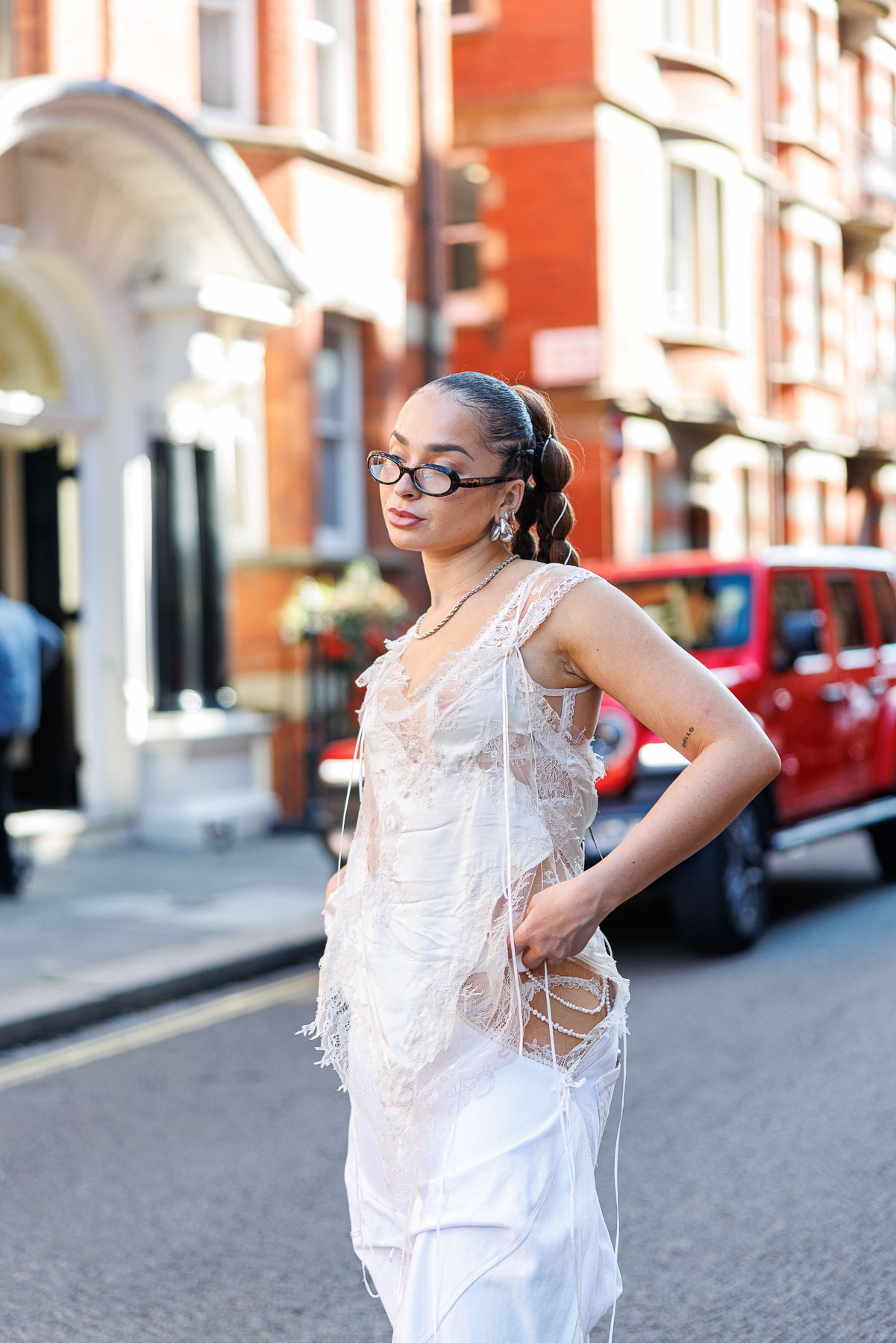
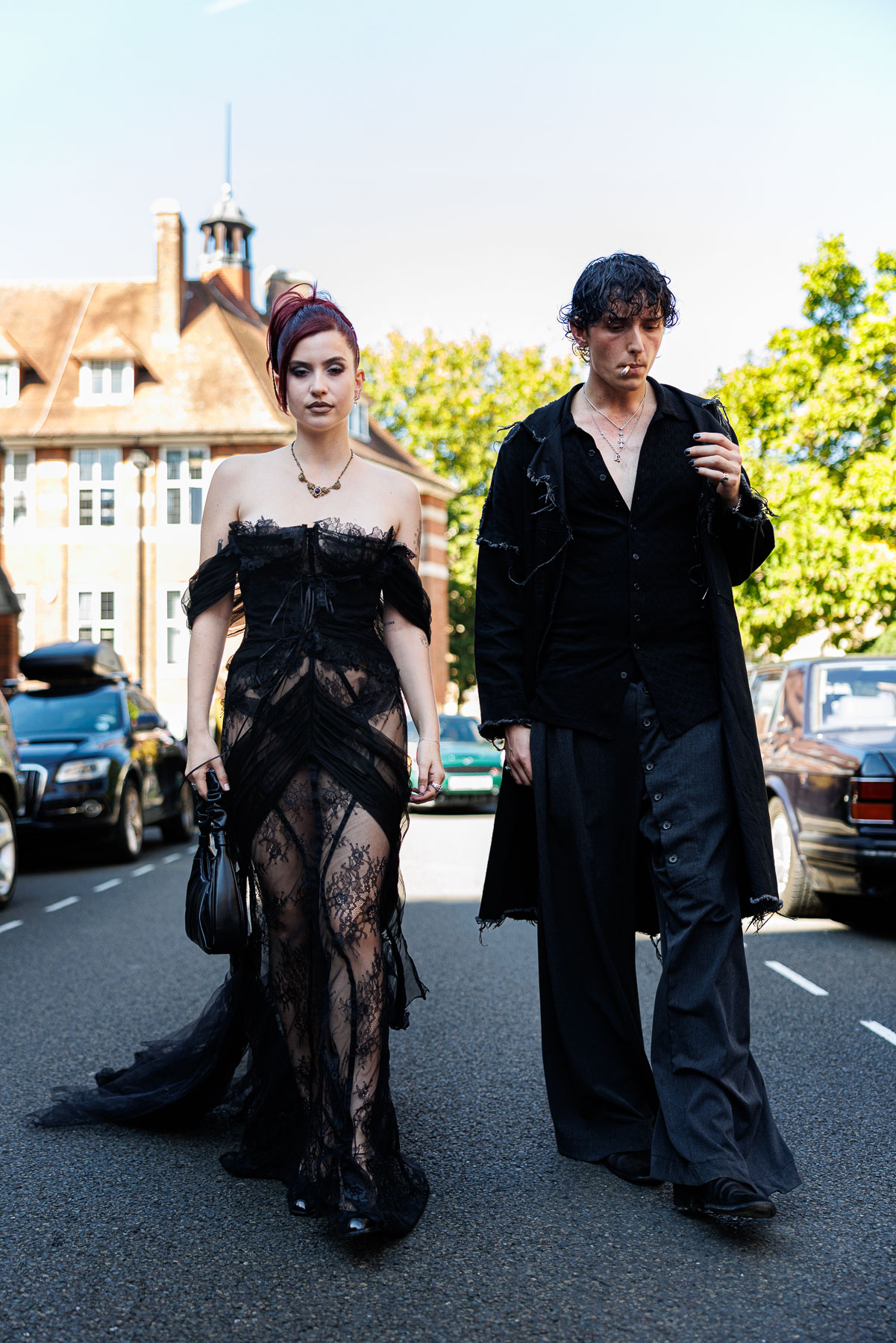
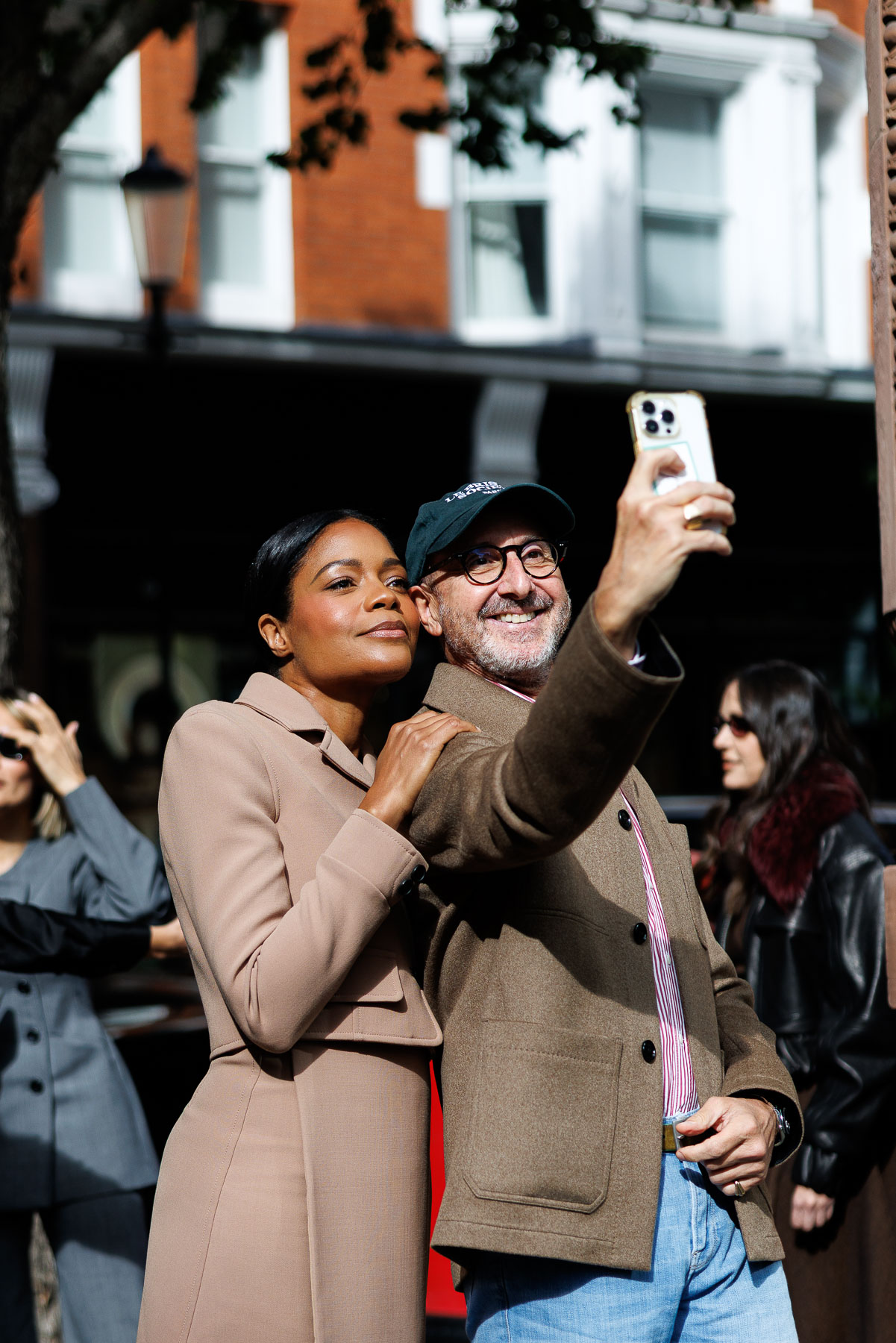
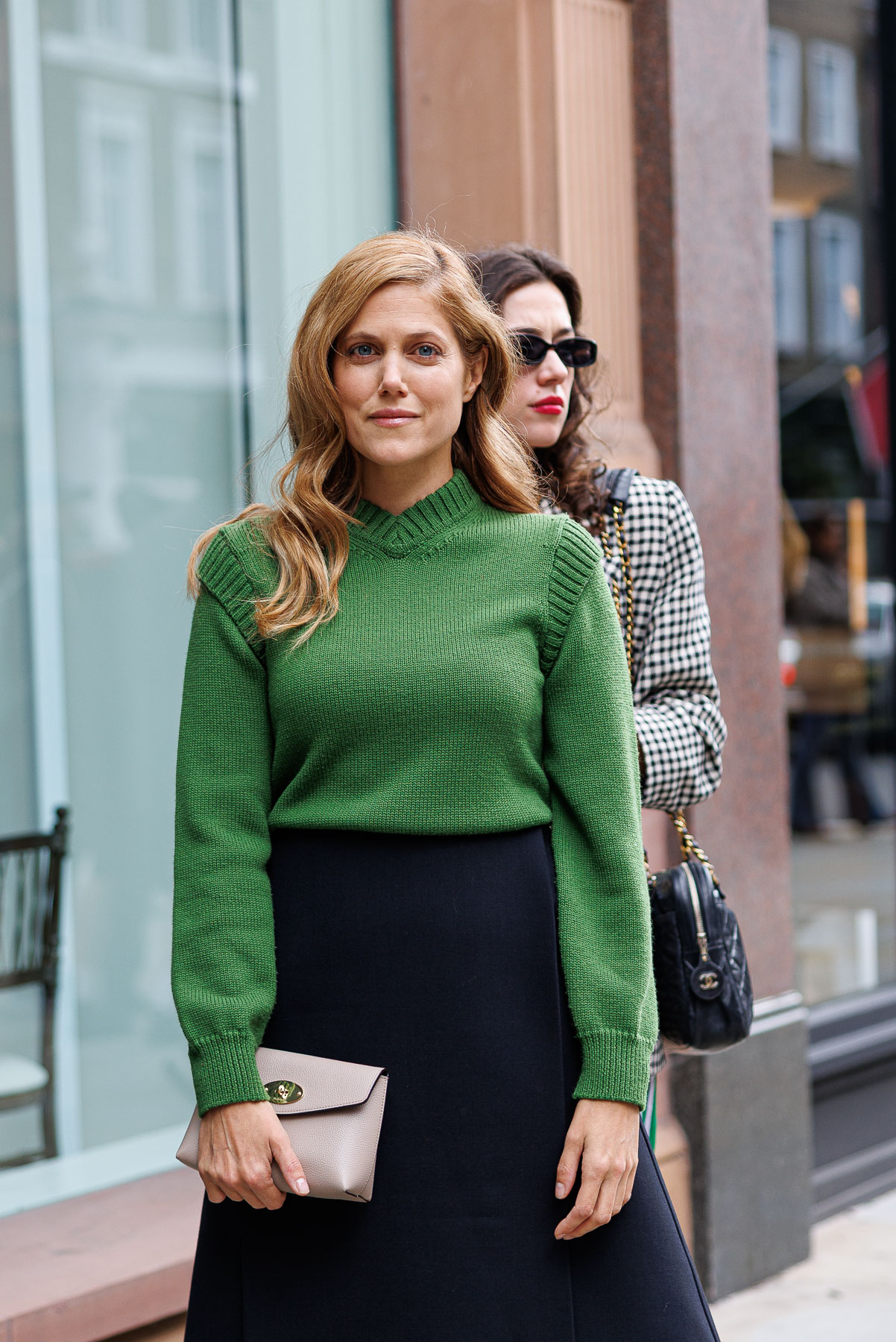
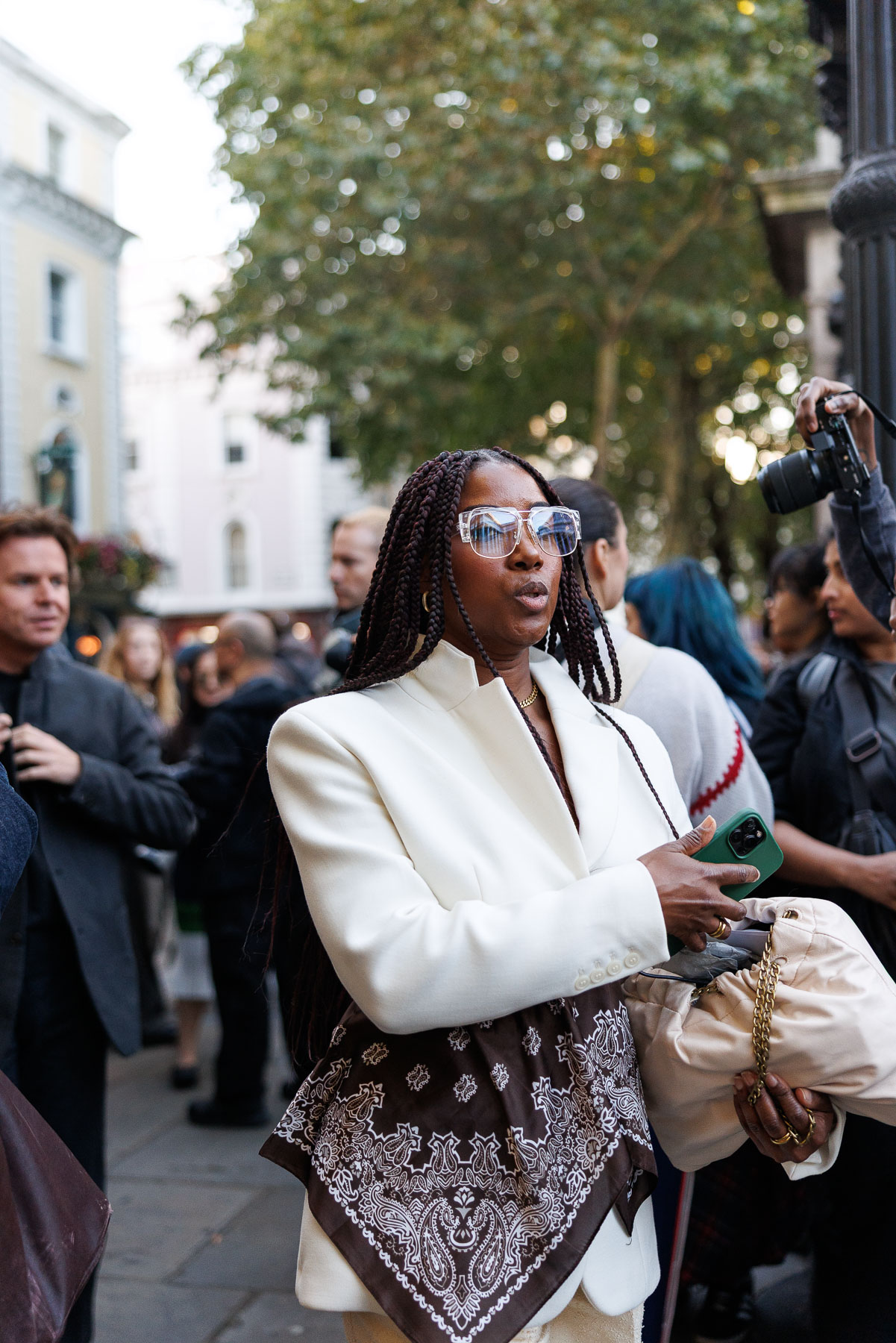
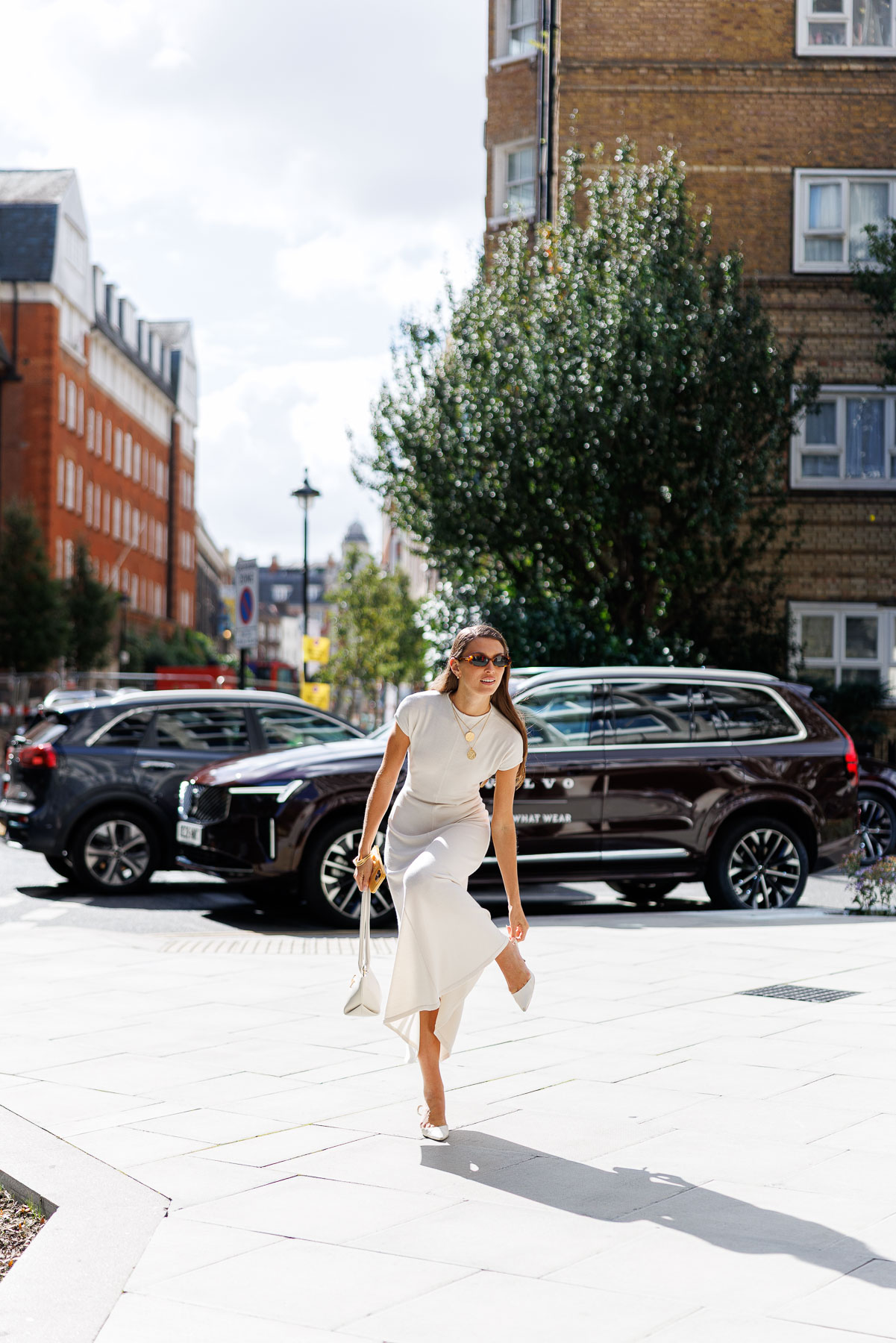
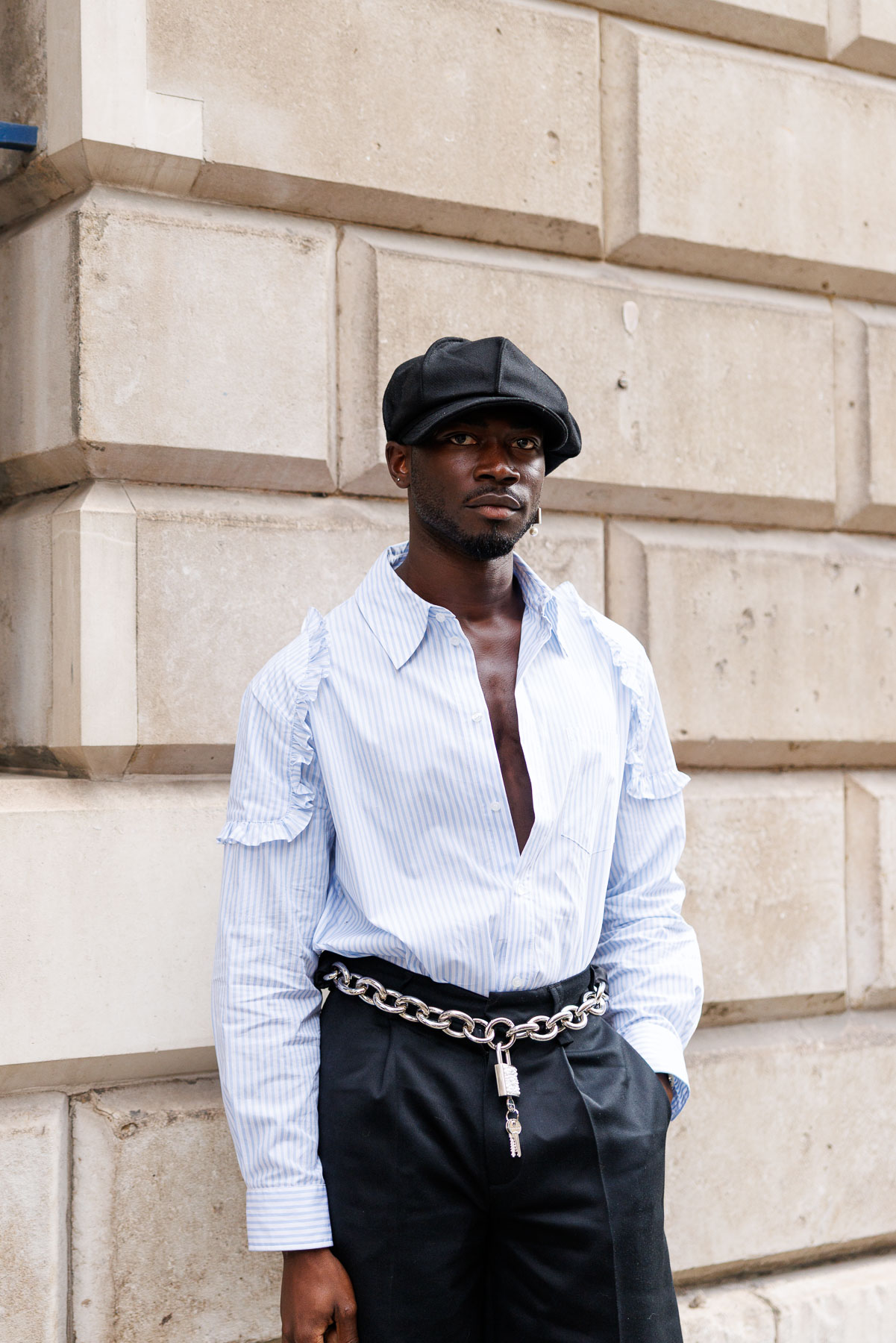
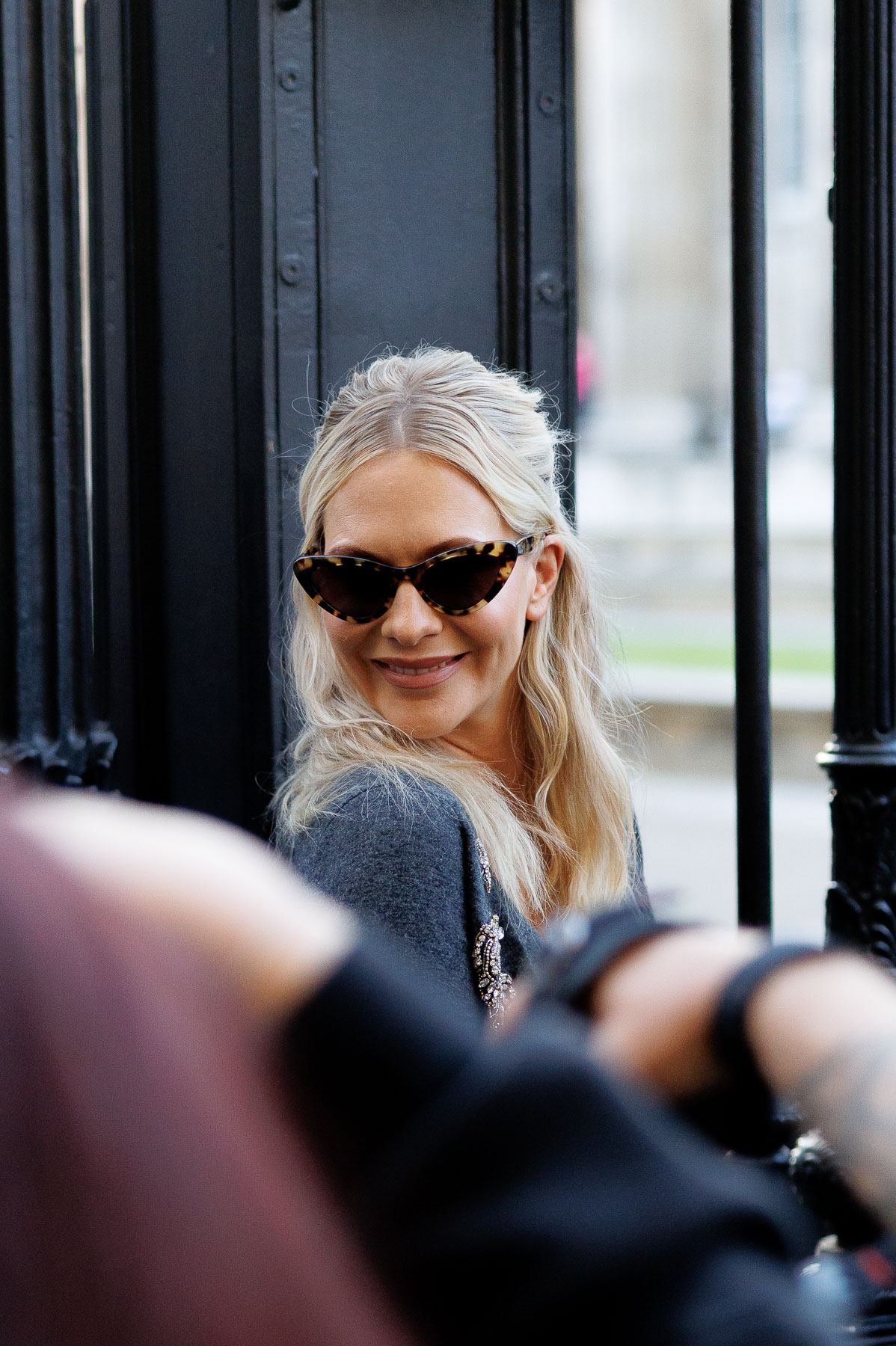
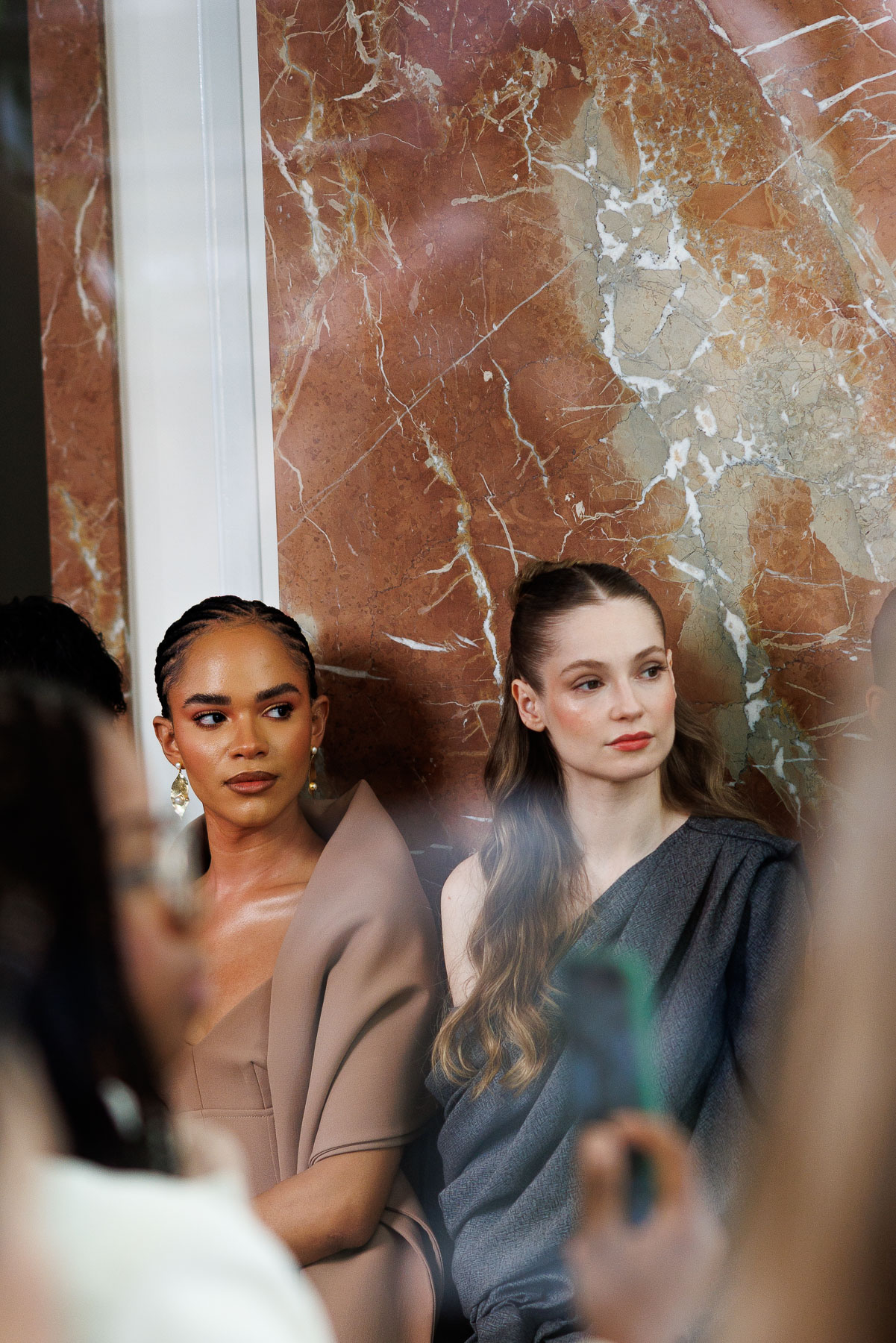
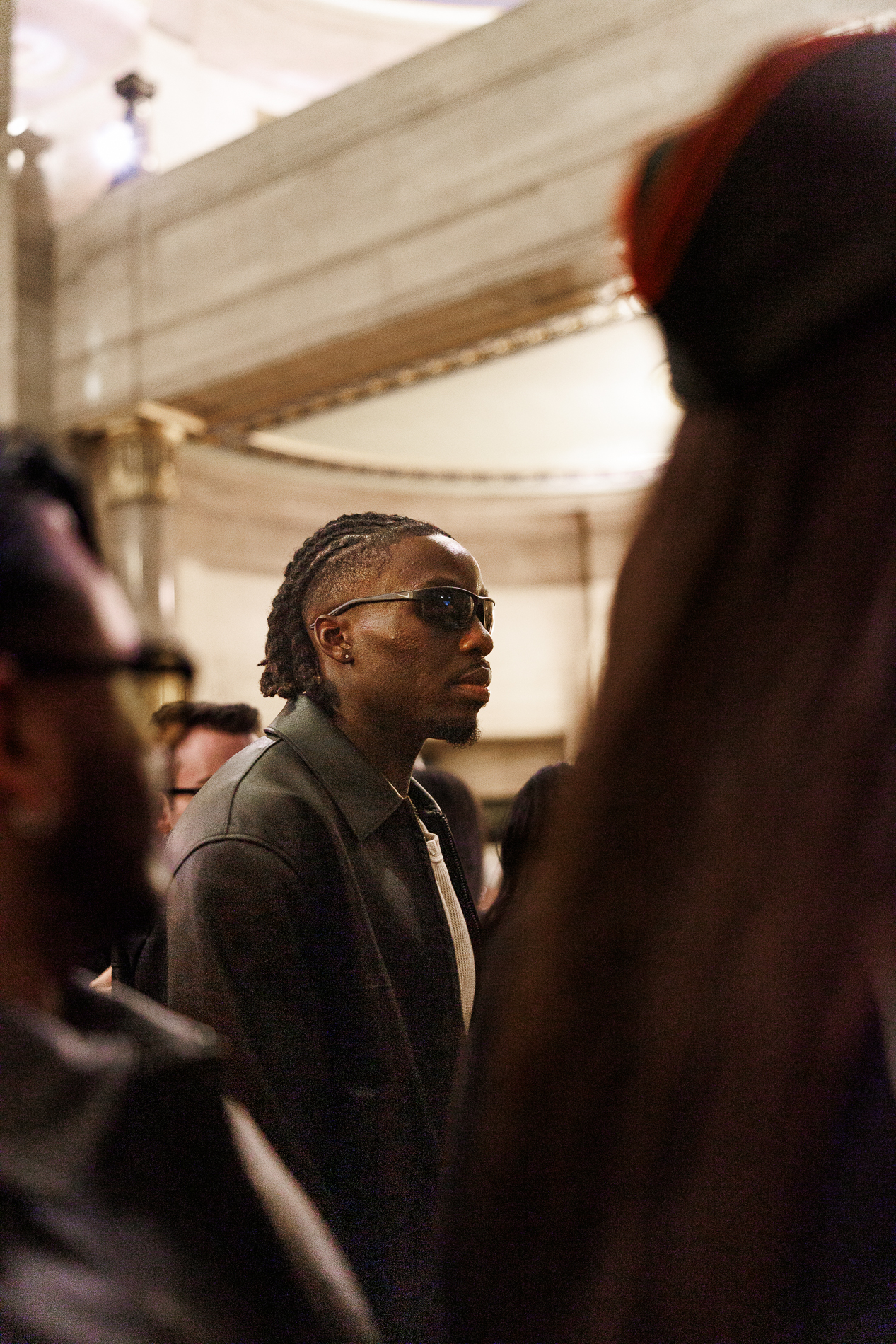
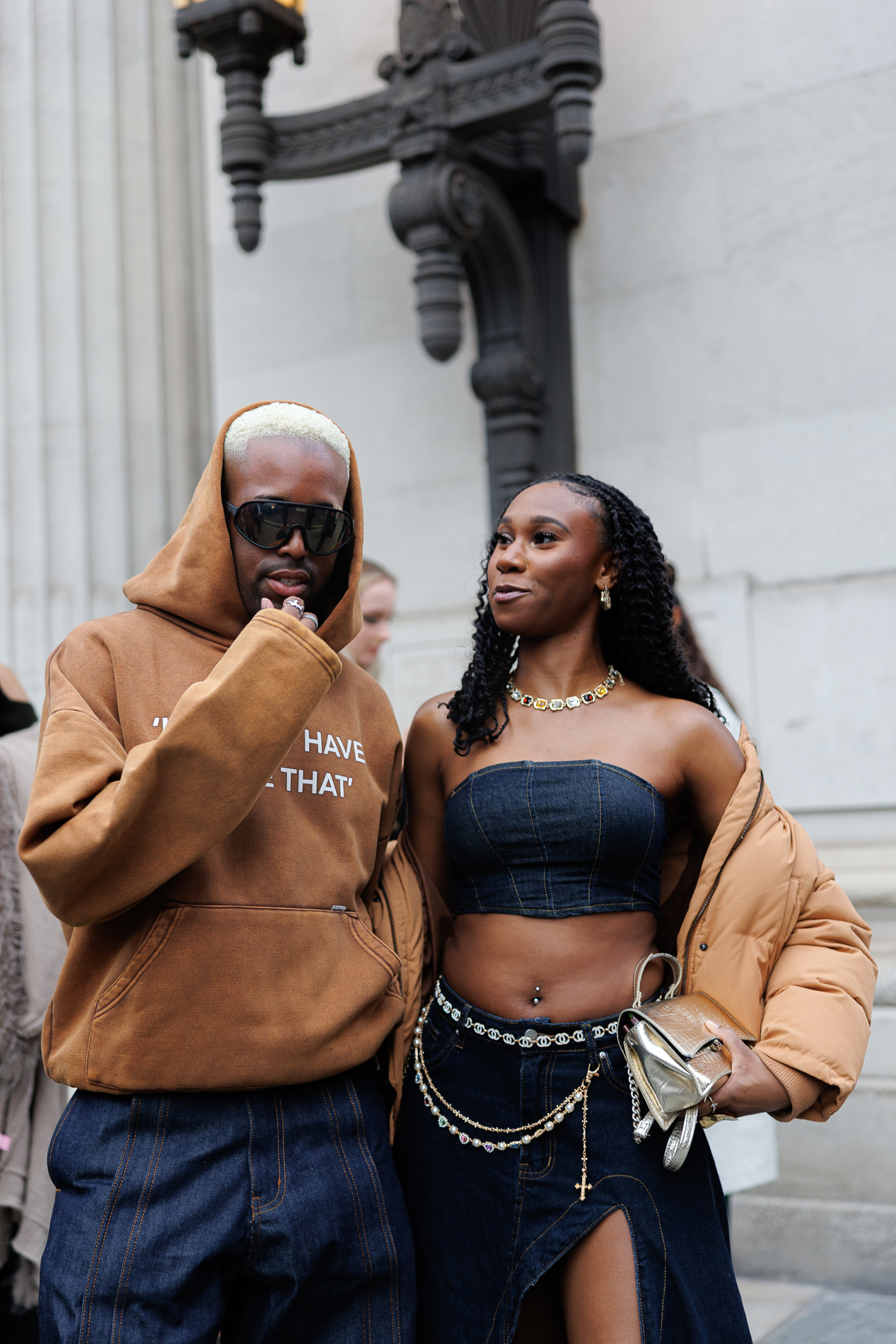
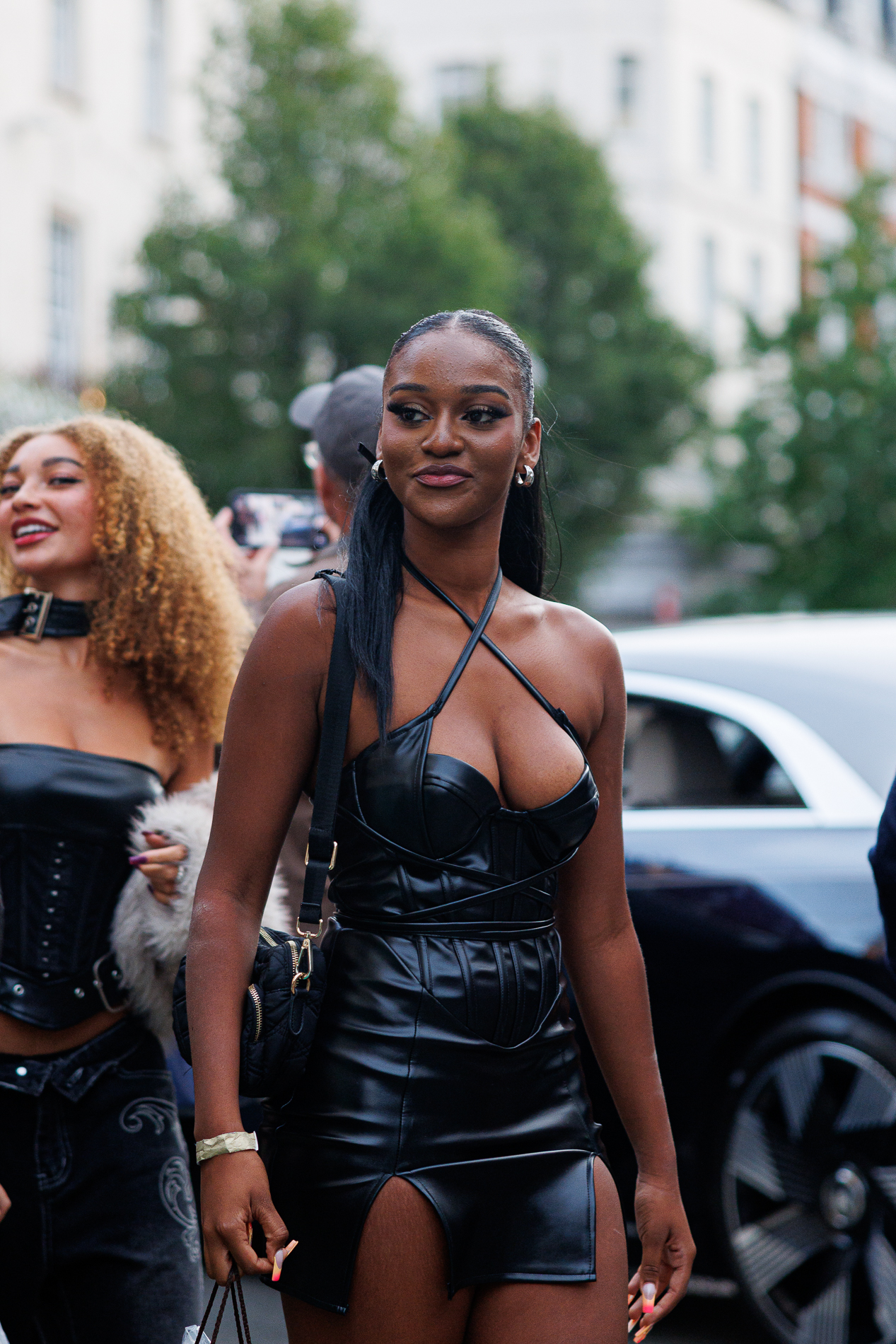
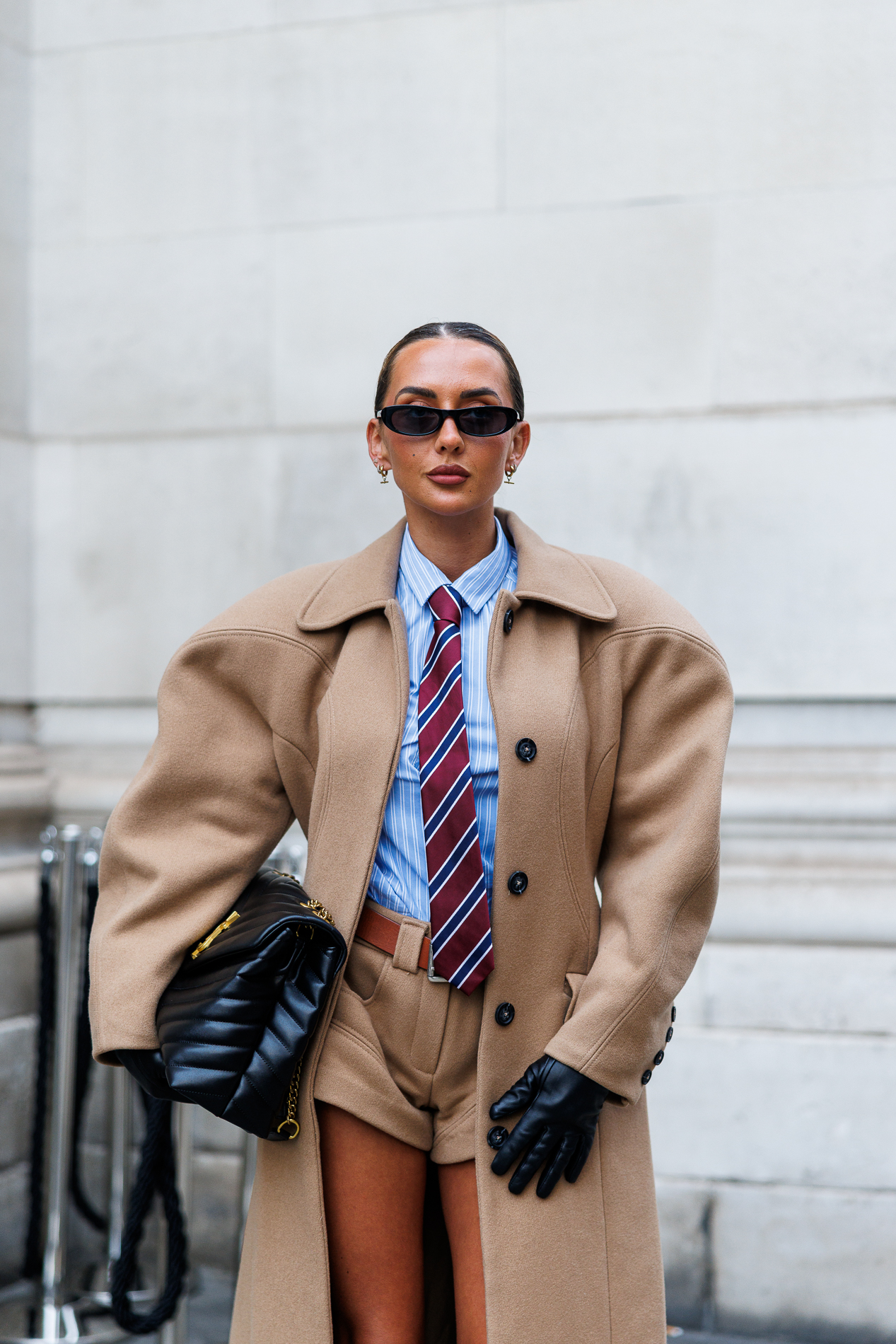
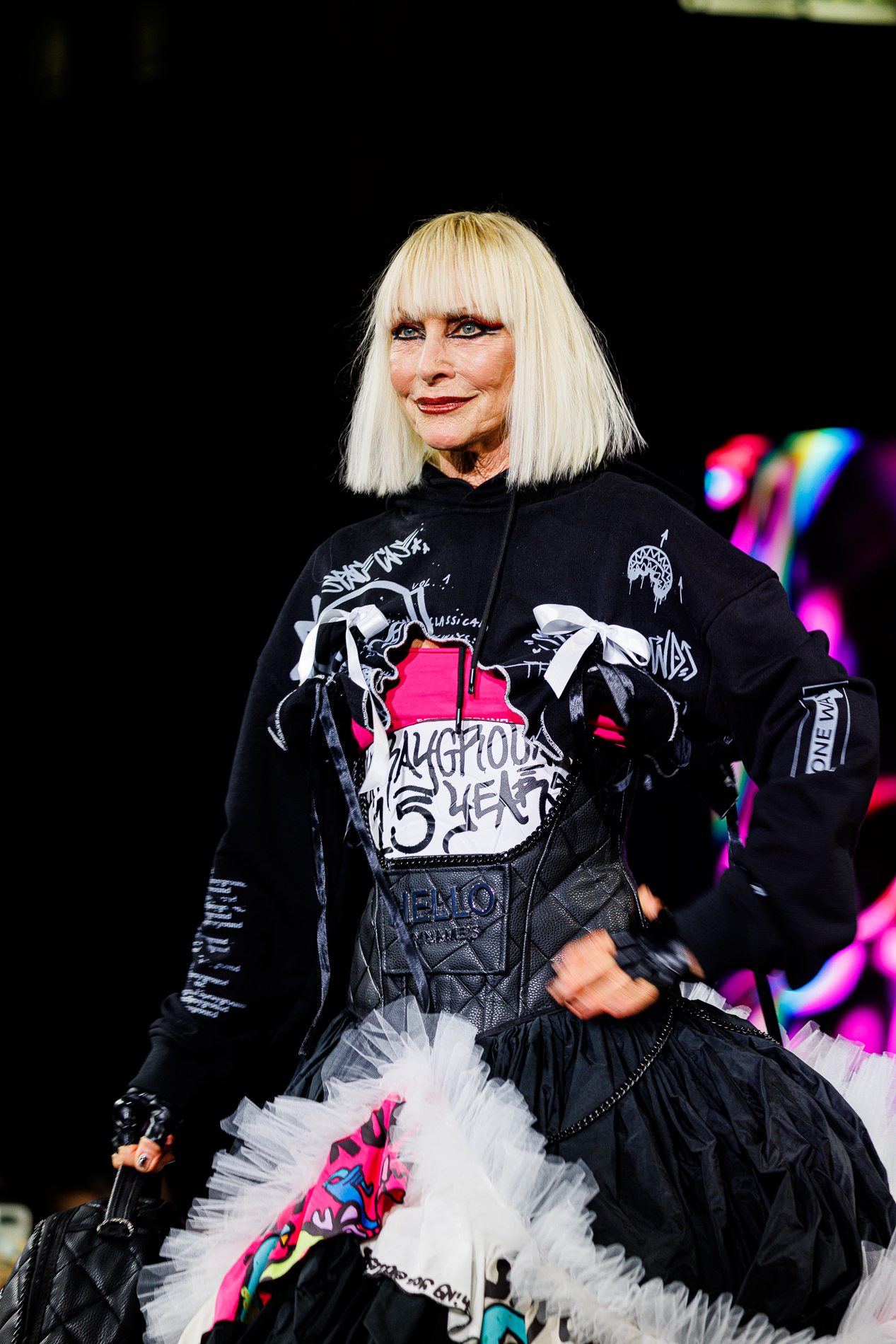
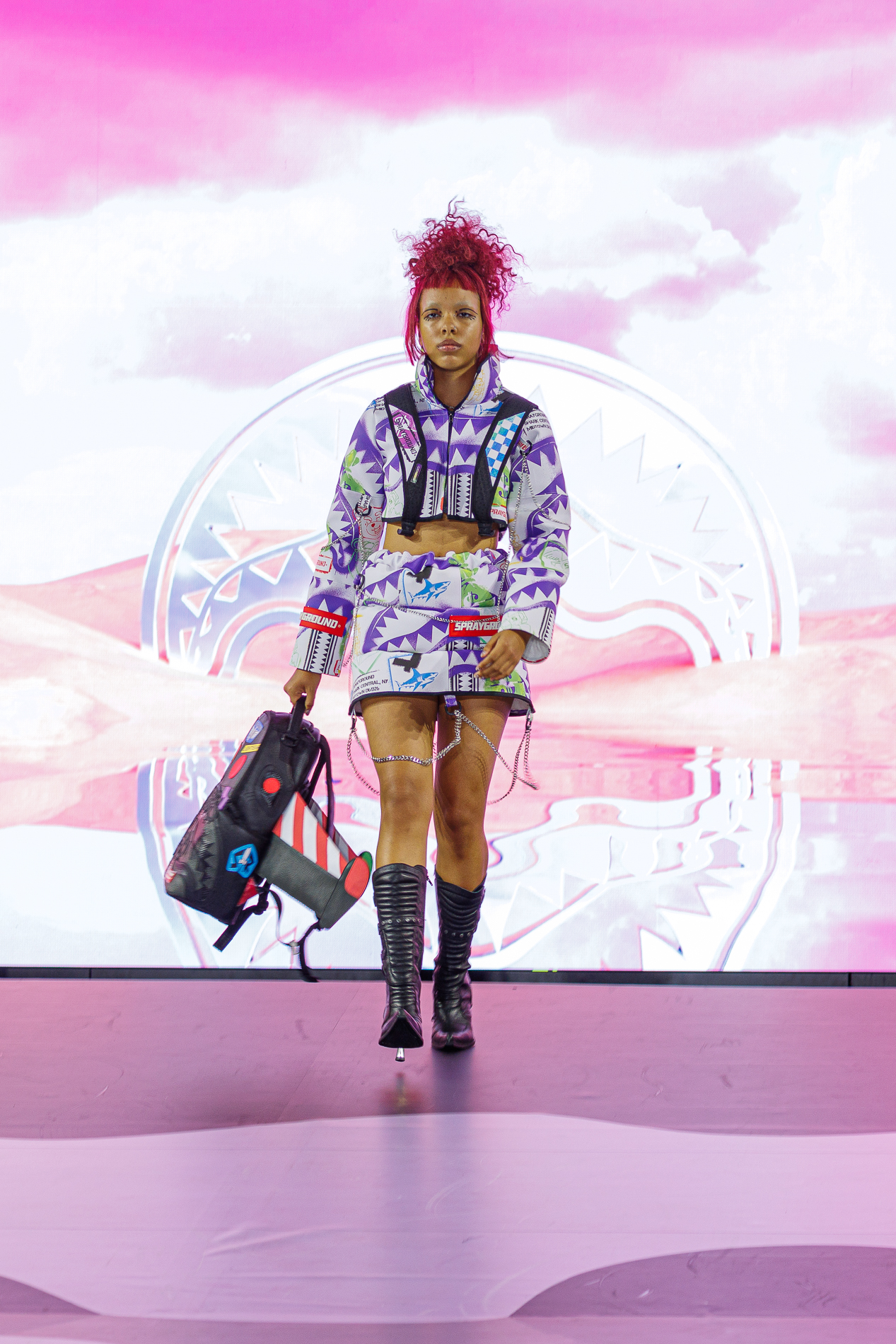
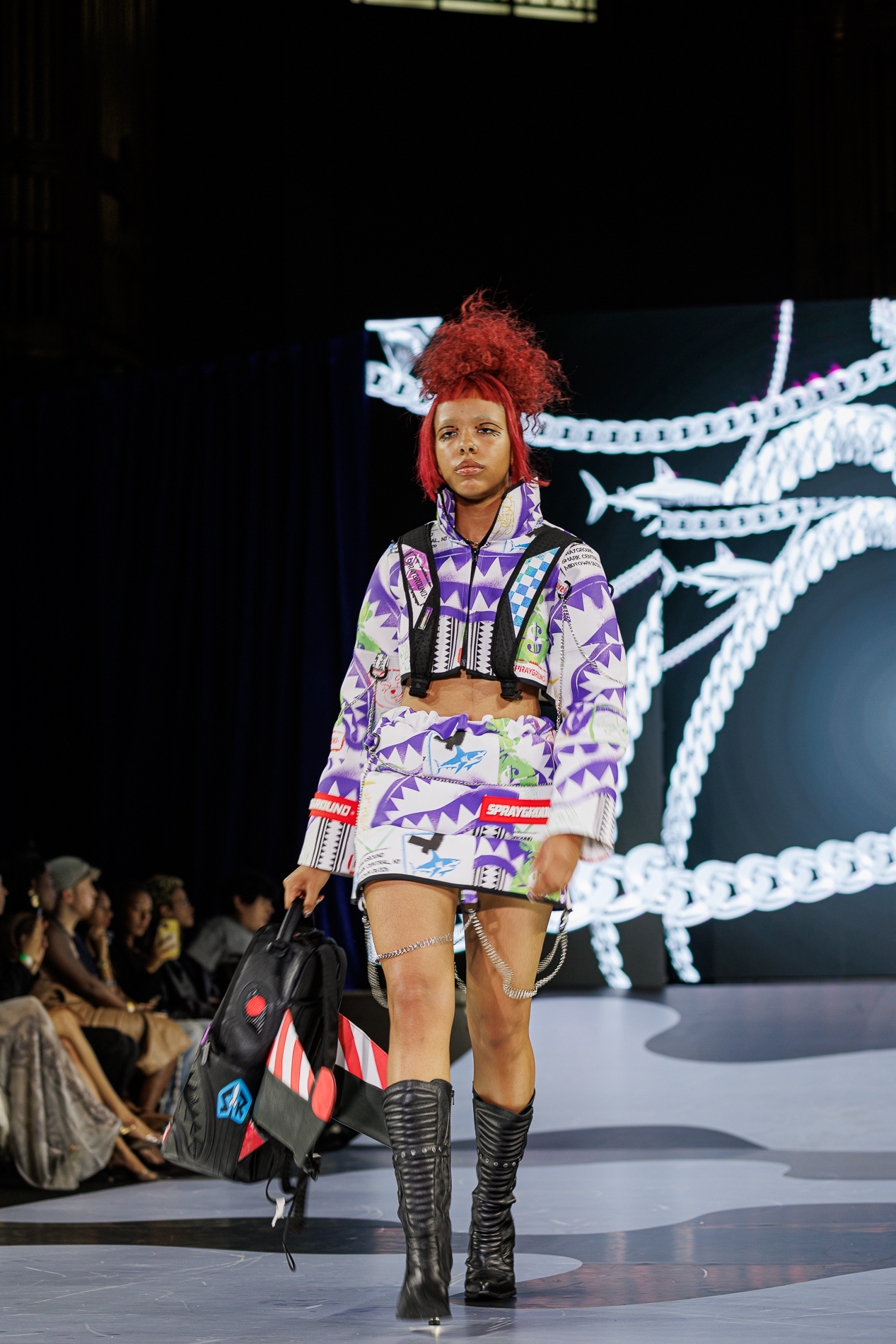
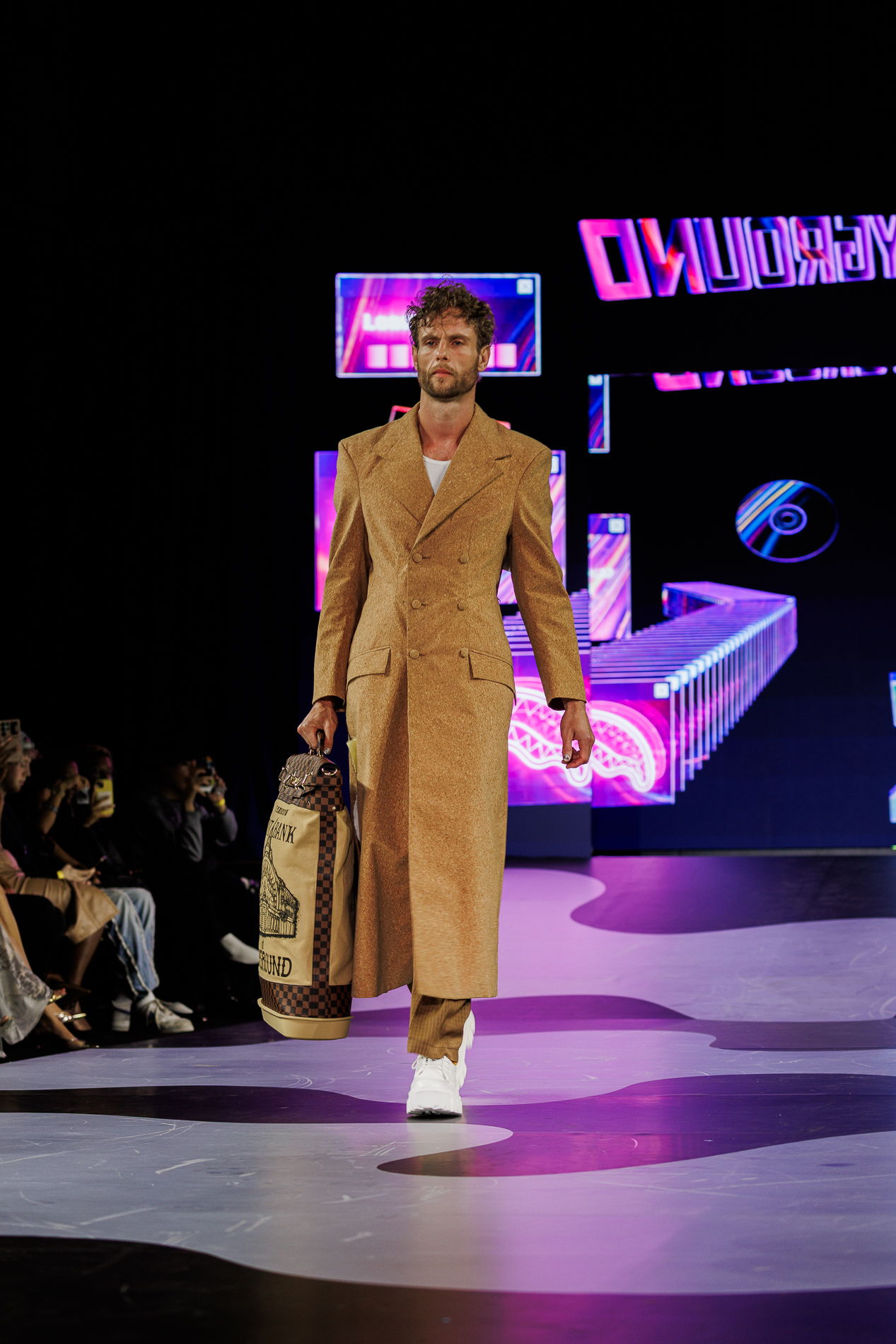
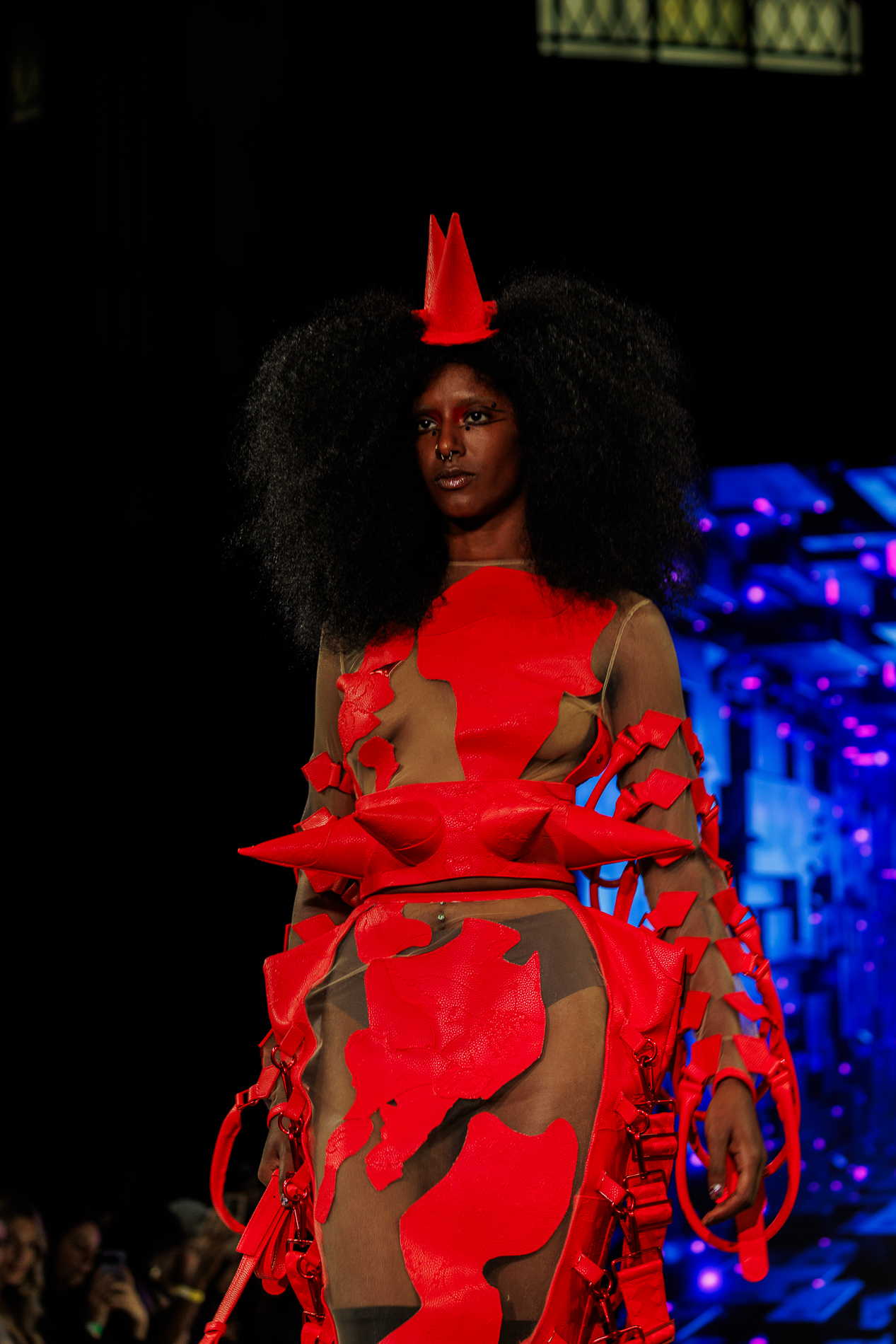
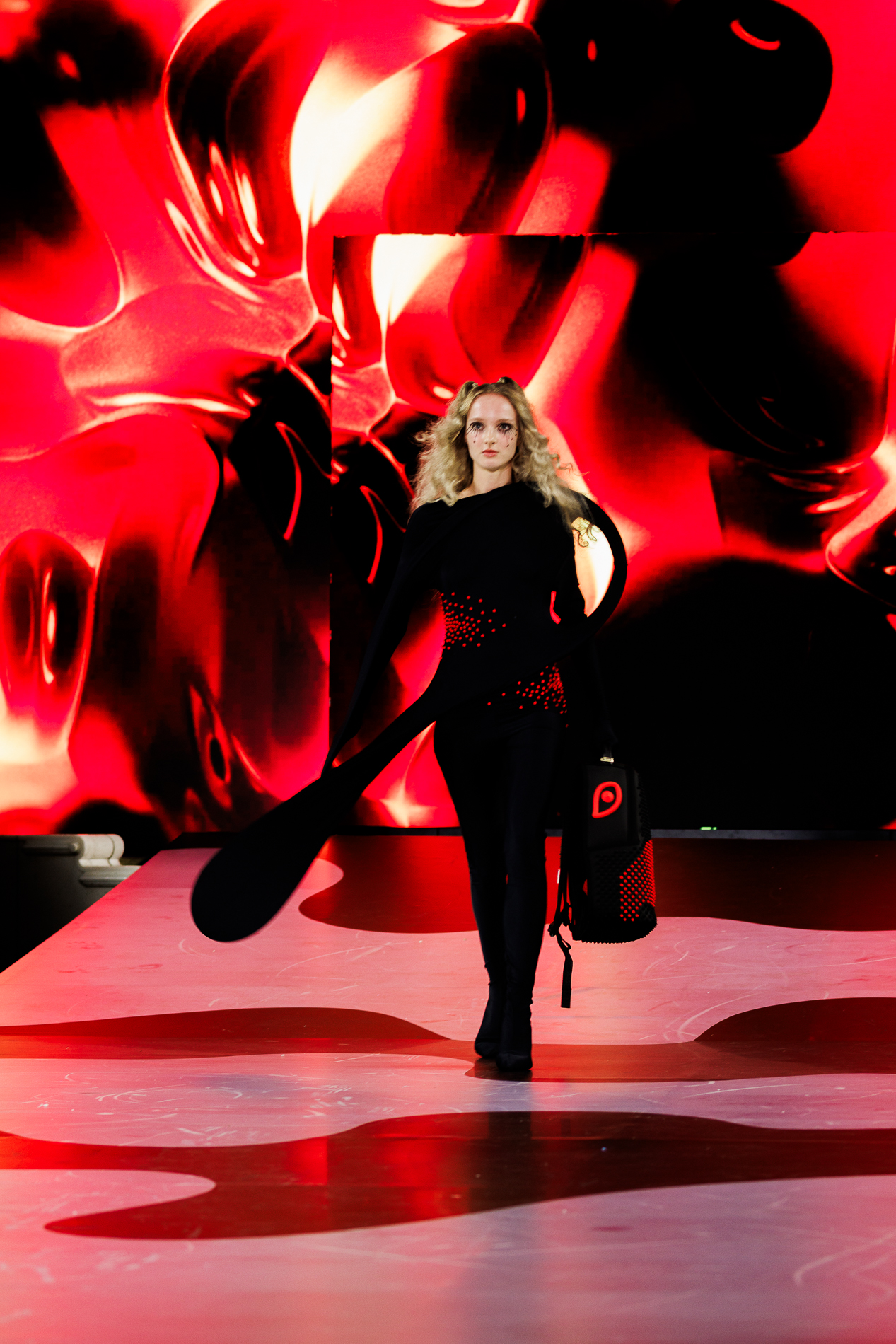
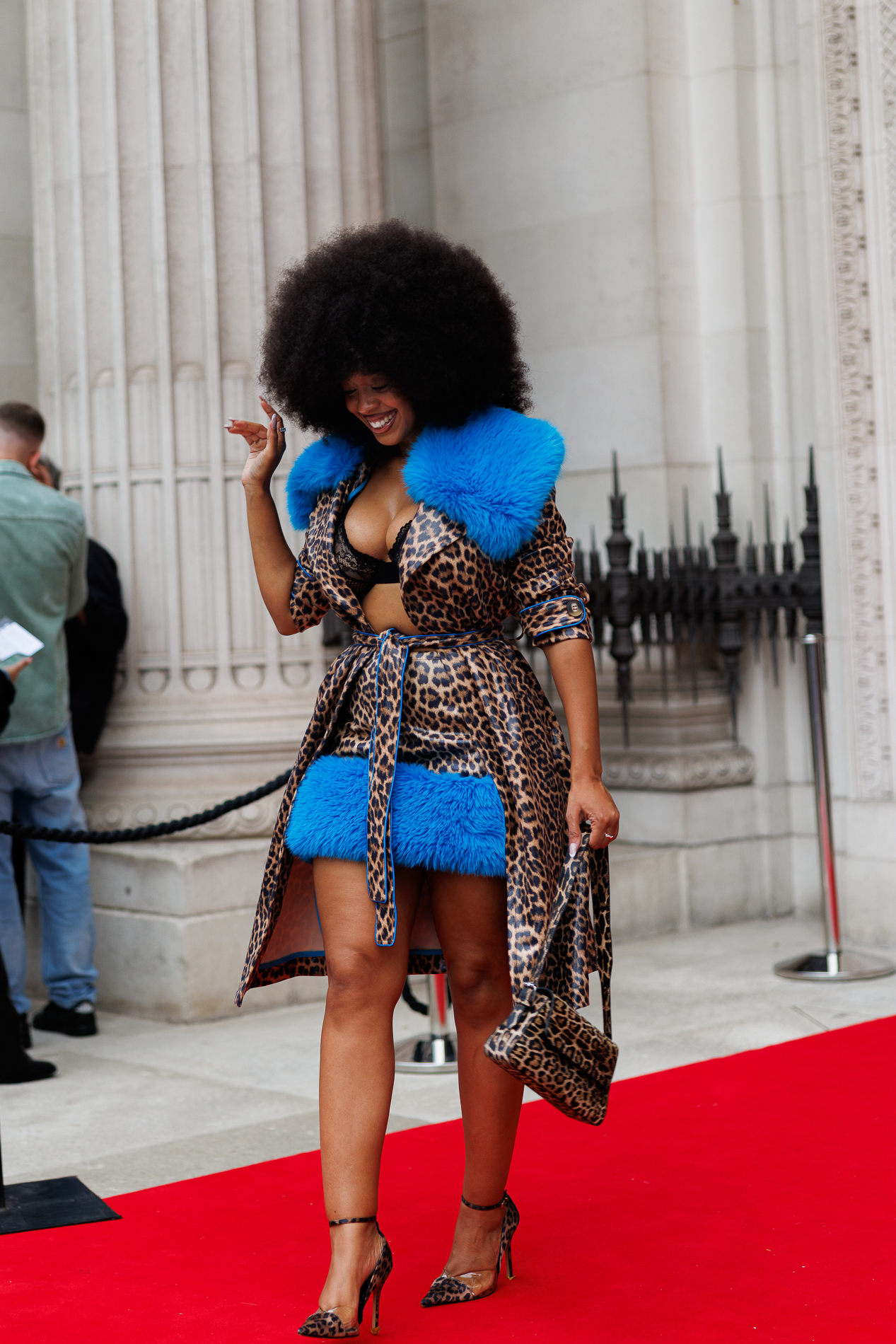
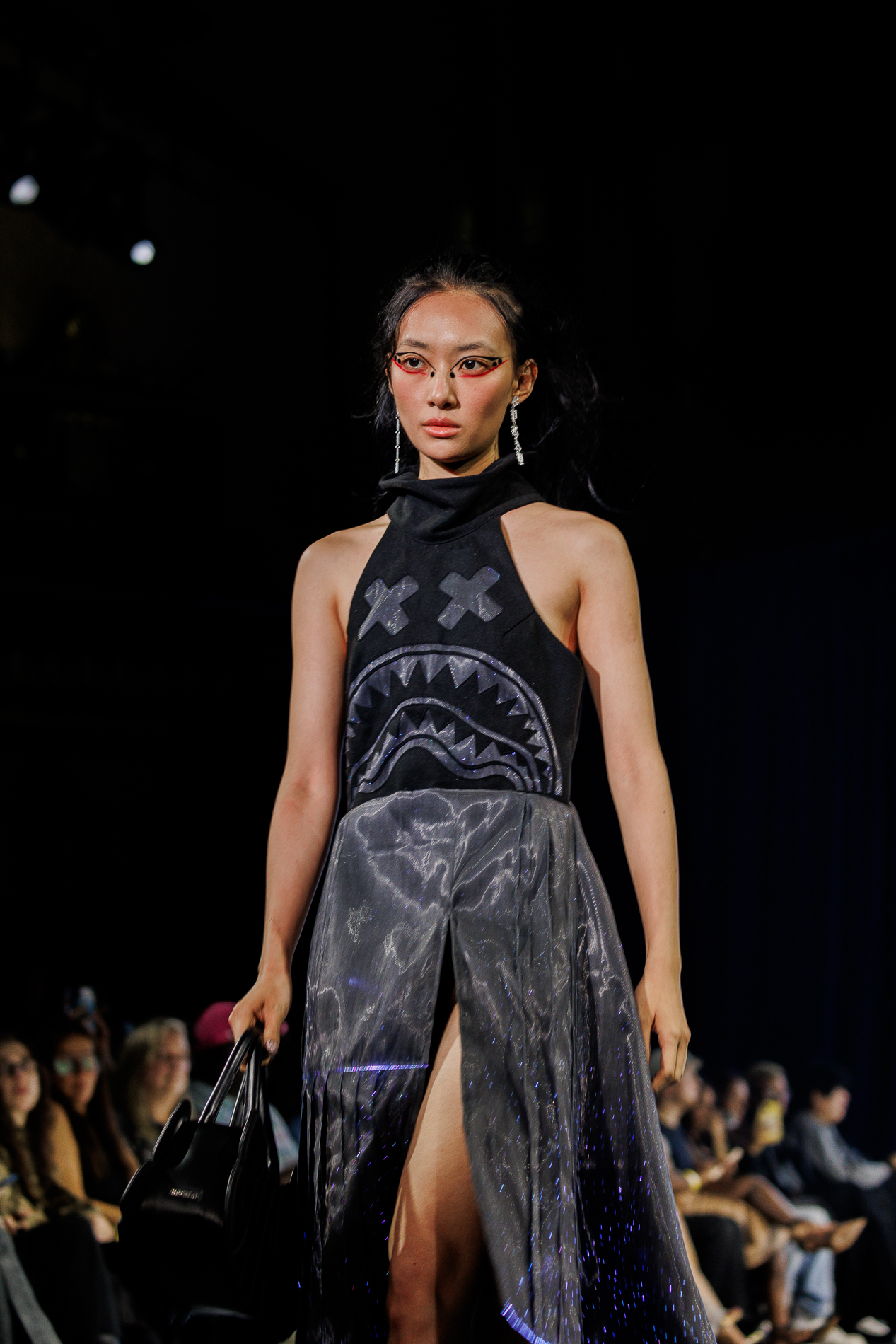
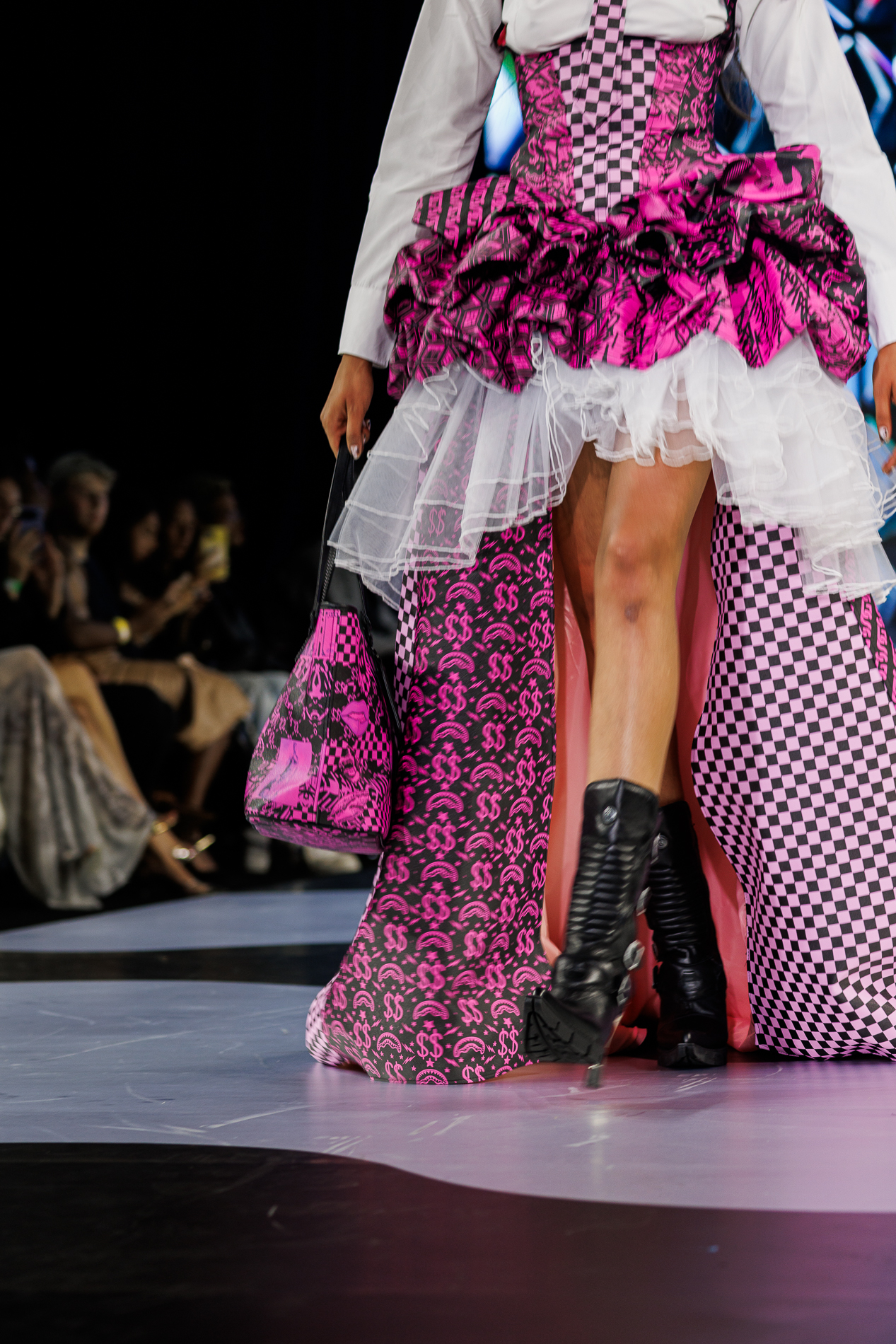
London Fashion Week Spring/Summer 2026 ran from September 18 to 22, 2025, marking a pivotal moment for British fashion under new British Fashion Council CEO Laura Weir. As a London-based fashion photographer, capturing this season’s energy, creativity, and cultural crossover reinforced why LFW remains essential for documenting the future of ready-to-wear fashion.
A New Era for London Fashion Week
This season marked the first under Laura Weir’s leadership, who rolled out transformative initiatives including waiving fees for emerging designers and expanding the international guest list. Her vision to re-establish London as both a creative and economic force in global fashion created an energized, optimistic atmosphere throughout the week. For photographers, this renewed focus on accessibility and talent development means more diverse visual stories and compelling narratives beyond traditional runway coverage.
The British Fashion Council’s show space at 180 The Strand served as the primary venue, though events throughout the city provided variety in backdrops and settings. Photographing across multiple London locations captures the capital’s fashion identity while showcasing how the city itself becomes part of each collection’s story.
Simone Rocha’s Romantic Rebellion
Simone Rocha delivered one of the season’s standout collections, leaning into femininity with corsetry, lace, and ruffles before deconstructing it with asymmetry and unexpected textures. The result was simultaneously romantic and rebellious, setting a major trend for Spring/Summer 2026. Photographing collections that balance opposing aesthetics challenges photographers to capture both elements within single frames or through complementary image pairs.
Her show exemplified why London Fashion Week produces such compelling photography: designers here push boundaries and take creative risks that result in visually striking, emotionally resonant imagery impossible to replicate in more conservative fashion capitals.
Sustainability as Standard Practice
From Jawara Alleyne’s use of deadstock fabrics to numerous designers showcasing recycled textiles, sustainability was not a side note but a defining theme. London Fashion Week is increasingly framing conscious fashion as the standard rather than the exception, and photographing these collections requires highlighting innovative materials and production methods alongside aesthetic beauty.
This focus on sustainability creates storytelling opportunities for fashion photographers willing to document the “how” alongside the “what.” Detail shots of recycled materials, behind-the-scenes footage of zero-waste pattern cutting, and designer interviews about conscious practices all contribute to comprehensive coverage that resonates with contemporary audiences.
Artisanal Craft in the Digital Age
Ornate embroidery, intricate lacework, and detailed handwork appeared throughout the shows, from Erdem’s romantic gowns to Roksanda’s dramatic draping. These designers reminded viewers that artisanal craft still holds power in an age of AI and mass production. Photographing handcrafted details requires technical precision: macro lenses for texture, careful lighting to reveal dimensional embroidery, and composition that emphasizes the labor and skill behind each garment.
The juxtaposition between traditional craftsmanship and cutting-edge fashion provides compelling visual contrast. London designers excel at this balance, creating collections that honor heritage techniques while pushing them in contemporary directions.
British Heritage Meets Modern Innovation
Several designers explored quintessentially British themes through contemporary lenses. Daniel Fletcher clashed sartorial country codes with glamorous metropolis fashions, while Patrick McDowell reinvented the iconic trench coat into structured bustier tops and full skirts. Photographing these reinterpretations of British fashion heritage requires understanding both the historical references and modern subversions.
Burberry, under Daniel Lee’s creative direction, presented both womenswear and menswear ready-to-wear that balanced the house’s heritage with forward-thinking design. Covering heritage brands alongside experimental newcomers provides portfolio diversity while documenting London’s complete fashion ecosystem.
Diversity and Inclusivity on and off the Runway
London Fashion Week continued championing diversity beyond performative gestures. Trans representation, body diversity, and multicultural casting reflected fashion’s evolving understanding of its audience. Photographing this inclusivity authentically means moving beyond tokenism to capture genuine representation as the norm rather than the exception.
The energy from designers like HARRI, who cast many models directly from the street and built the LGBTQ+ community over six months, creates palpable excitement that translates into compelling photography. These personal connections between designers and their chosen models produce authentic imagery that feels fundamentally different from traditional casting approaches.
London’s Position in the Global Fashion Calendar
Following New York and preceding Milan and Paris, London occupies a strategic position in the fashion month circuit. The city’s reputation for nurturing emerging talent and embracing experimentation makes it essential for photographers seeking to document fashion’s future rather than just its present. The designers who debut in London often define trends that established houses will explore in subsequent seasons.
For London-based fashion photographers, covering LFW provides both local advantage and global relevance. The accessibility of venues, relationships with British designers, and understanding of London’s fashion culture enable more comprehensive, authentic coverage than visiting international photographers can achieve.
The Spring/Summer 2026 Vision
This season demonstrated that London Fashion Week is about more than trends. It represents renewal, with fresh talent, sustainability focus, and leadership determined to elevate London’s global fashion position. For photographers, documenting this transformative moment means capturing not just collections but the energy, ambition, and cultural shift reshaping British fashion.
The Spring/Summer 2026 season may be remembered as a turning point, and the imagery created during these five September days will serve as visual record of when London fashion reasserted its creative and commercial significance.
London-based fashion photographer specializing in lifestyle photography, emerging designer coverage, and editorial fashion content. Professional photography services available for London Fashion Week, international fashion events, and brand campaigns.
Keywords: London Fashion Week photographer, fashion photographer London, ready-to-wear photography, LFW photographer, emerging designer photography, British fashion photography, London runway photographer, fashion photography services UK, editorial fashion photographer London